What the seasonally affected are wearing this fall

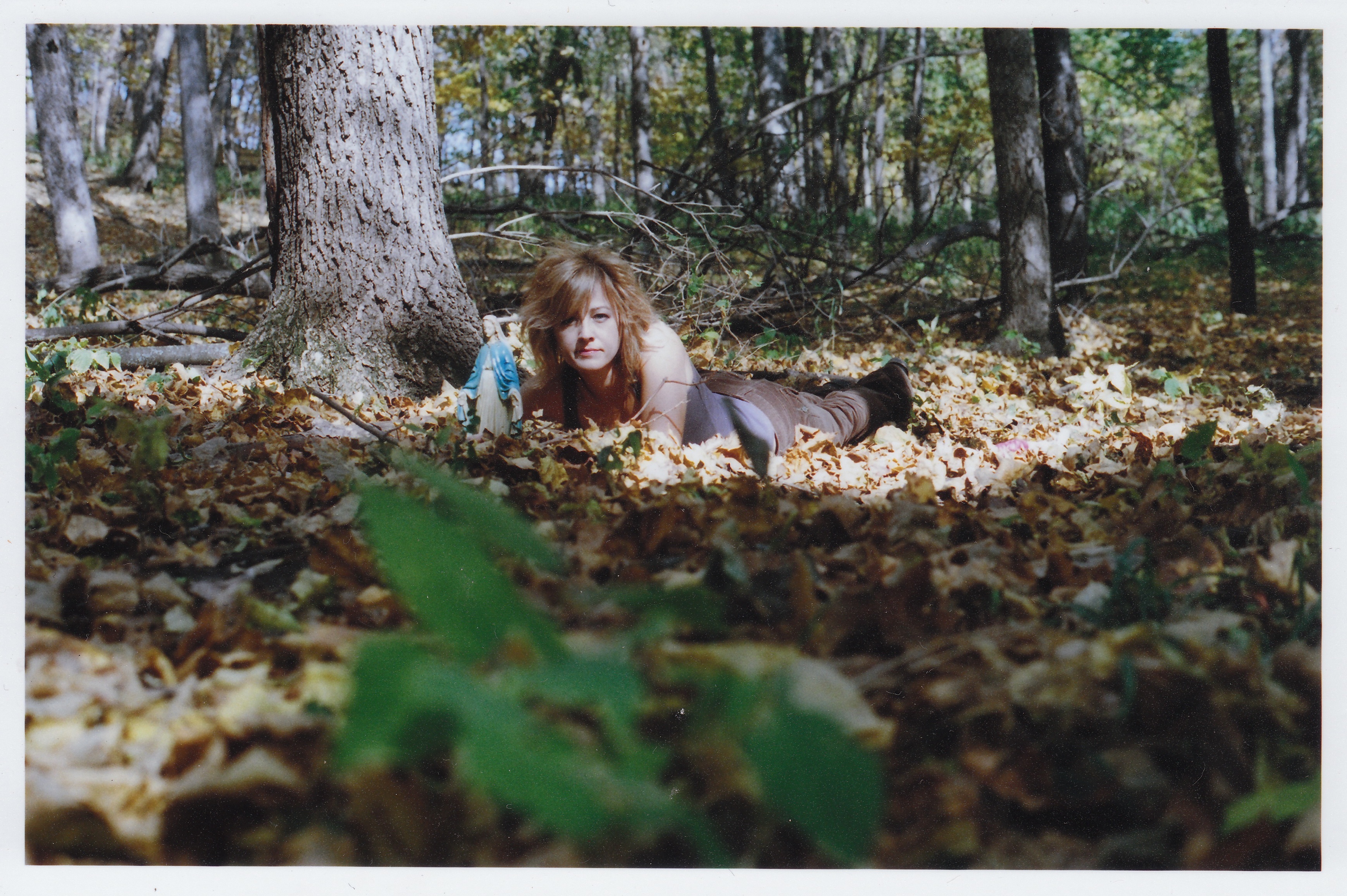
I have an idea for how to embrace all the brown things in your yard and also fight seasonal affective disorder before it gets too bad.
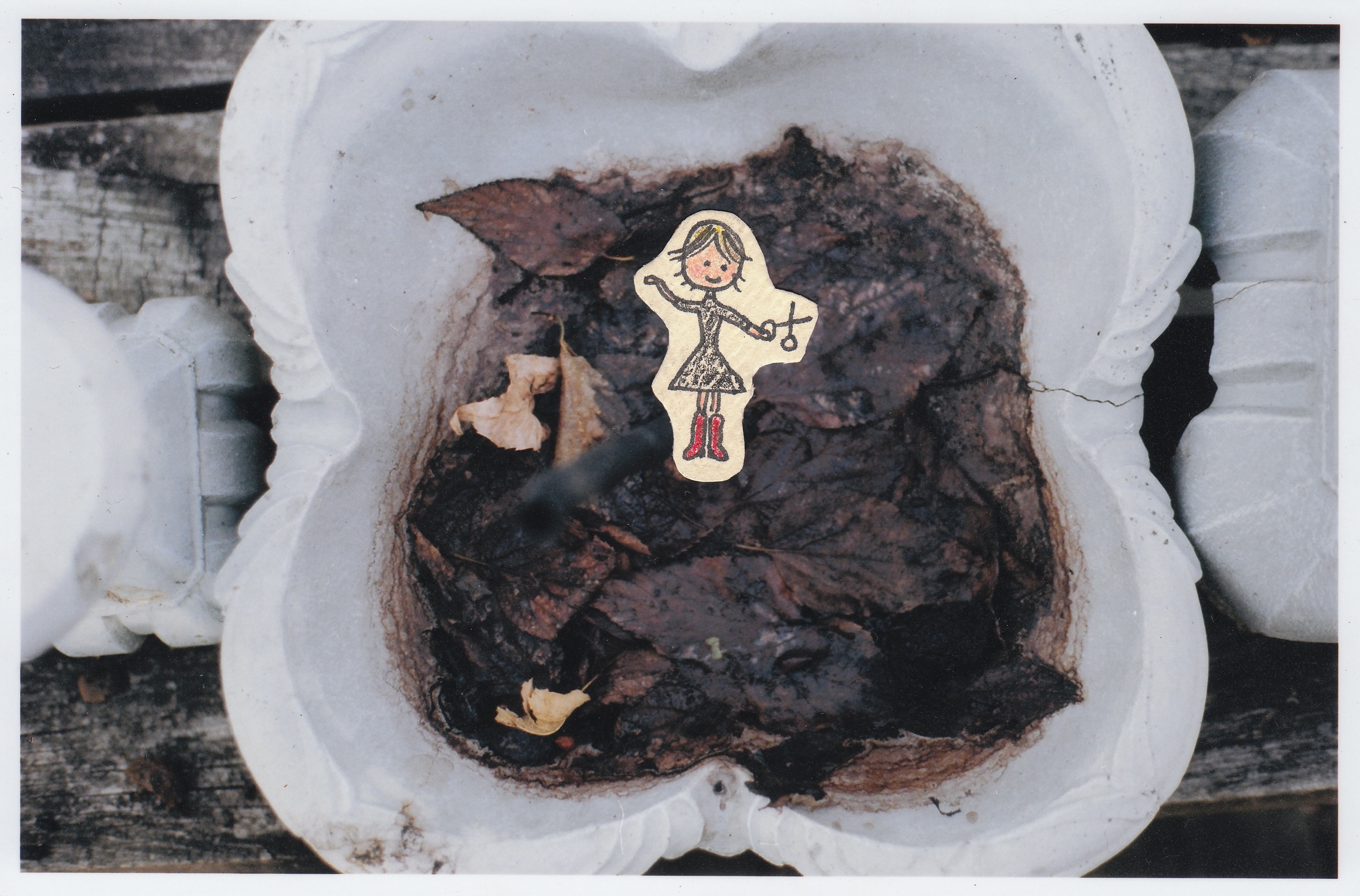
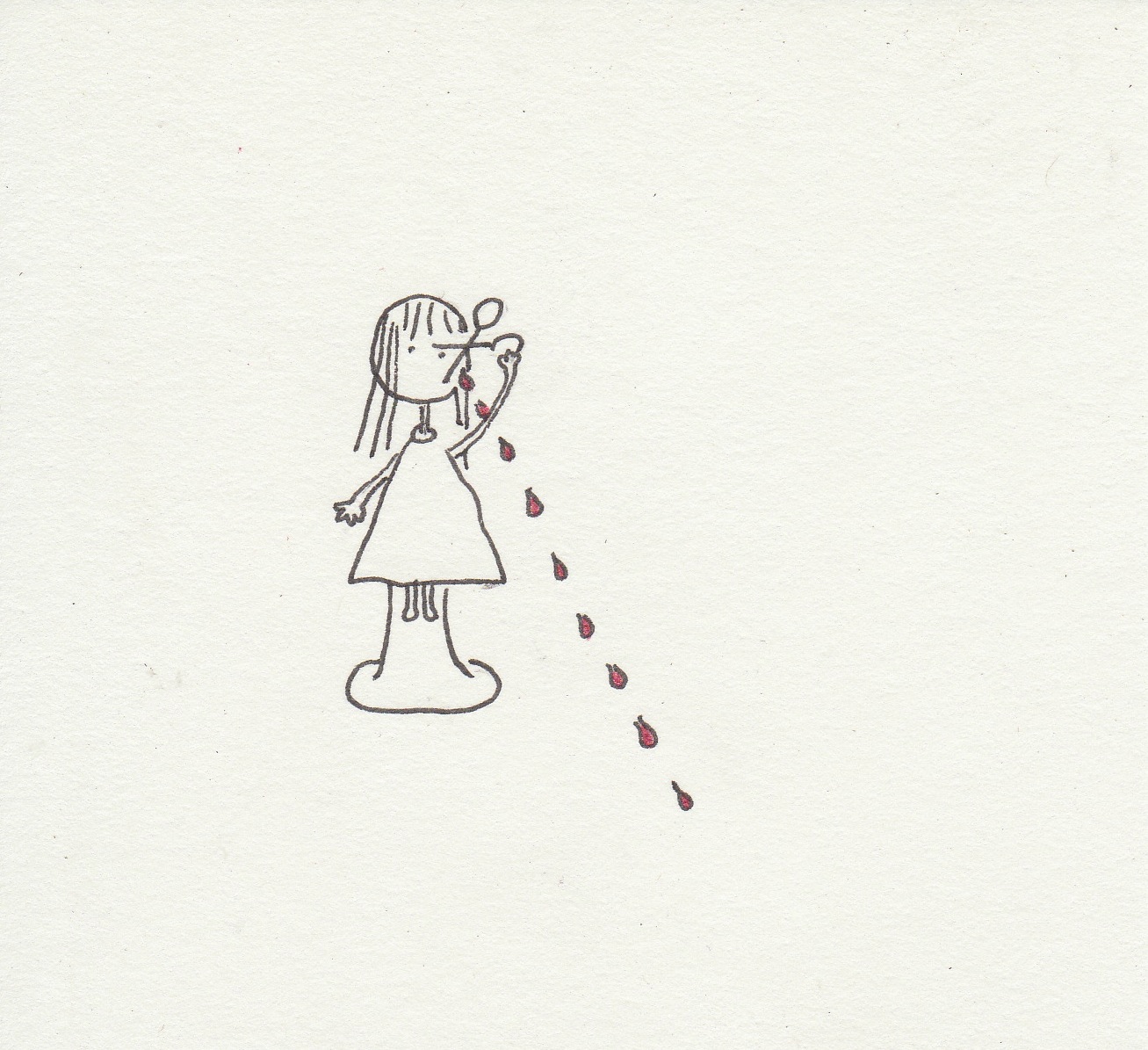
Find a plant. Dead or alive, it doesn’t matter. You probably can’t bring a dead one back to life, but maybe. Maybe. It would certainly pass the long days ahead if you believed that you could.

Find one that looks as if it needs you the way you need it, arms open, so dry and desperate already and winter hasn’t even begun.

Take sharp scissors.
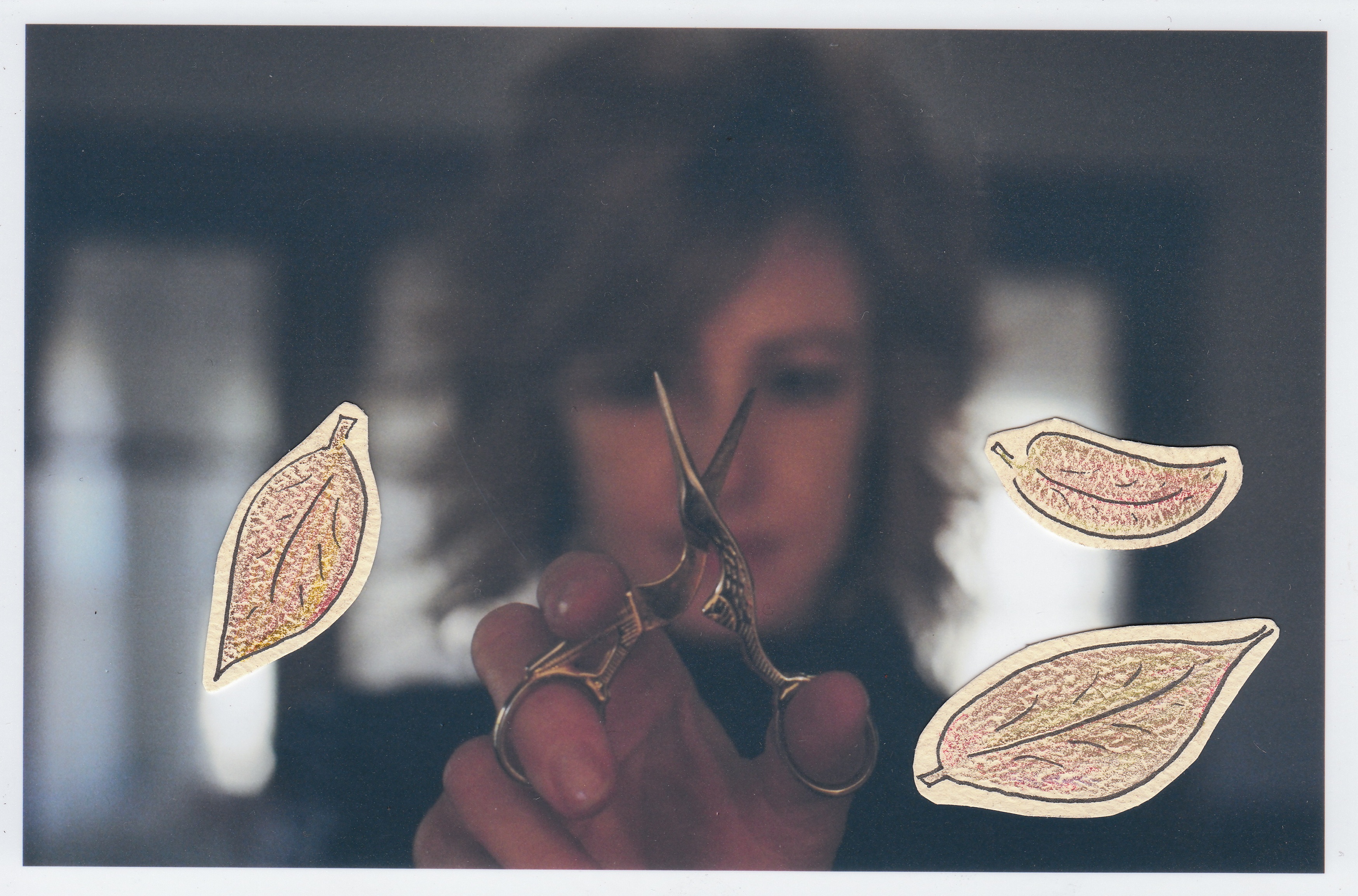
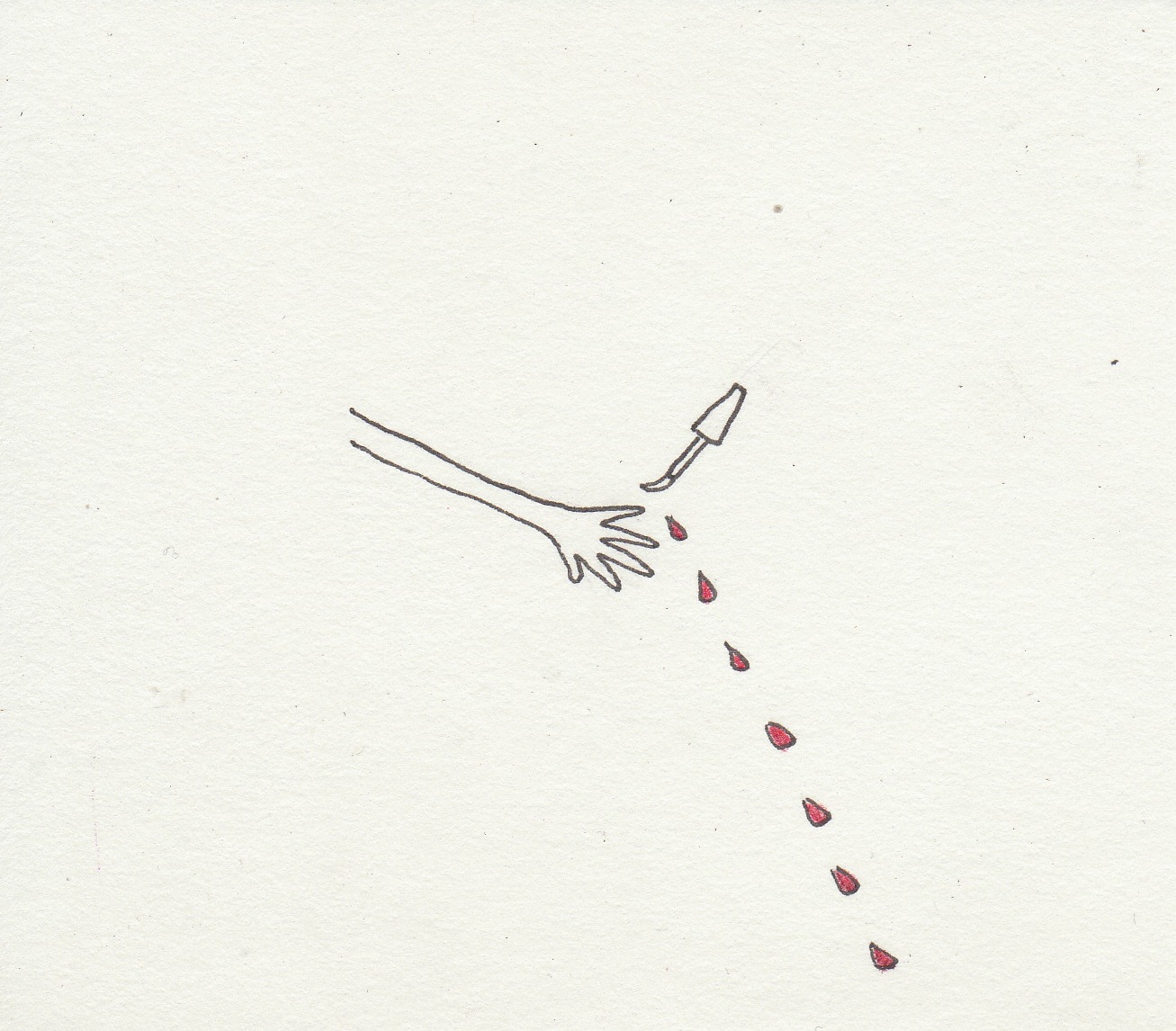
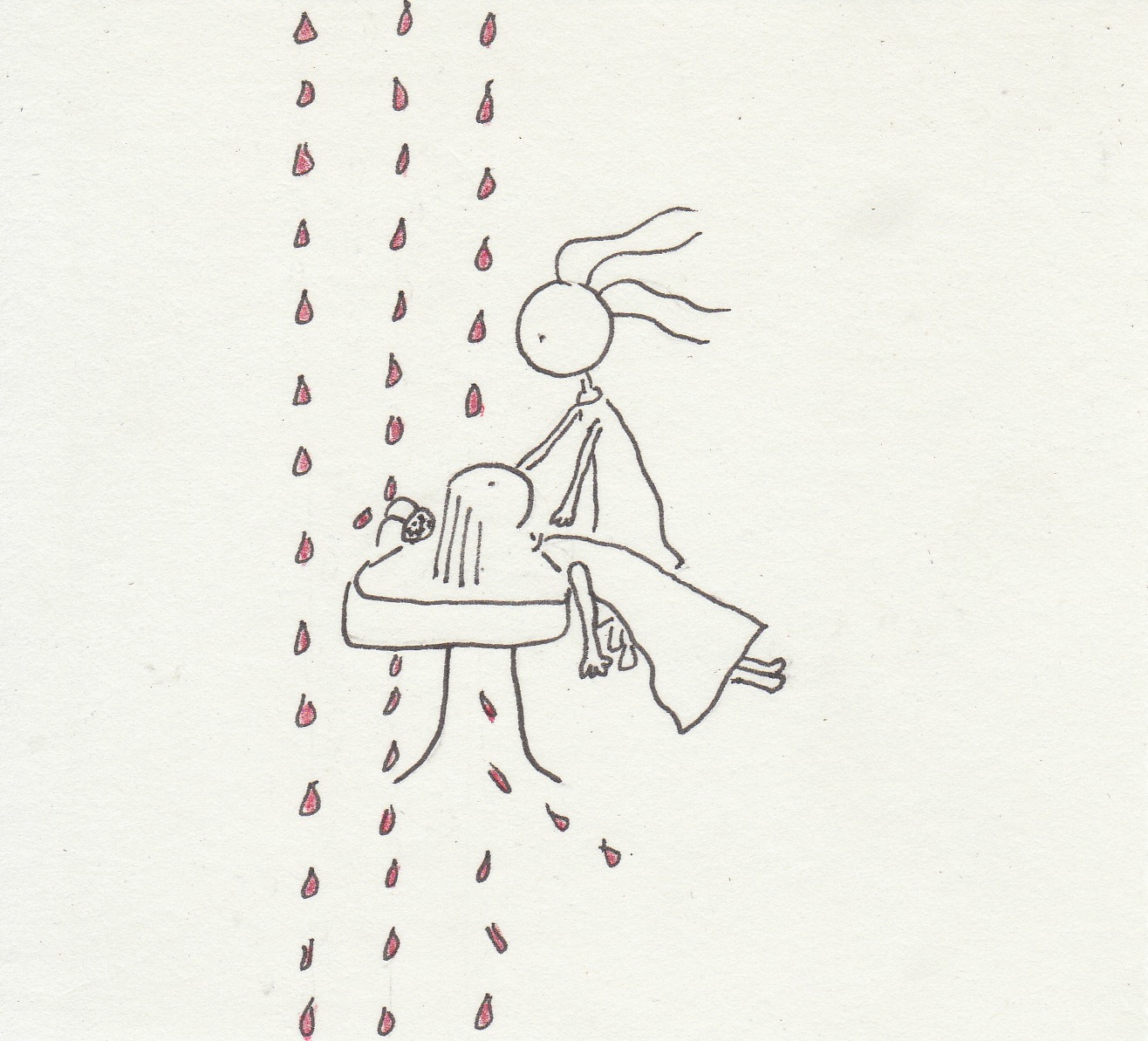
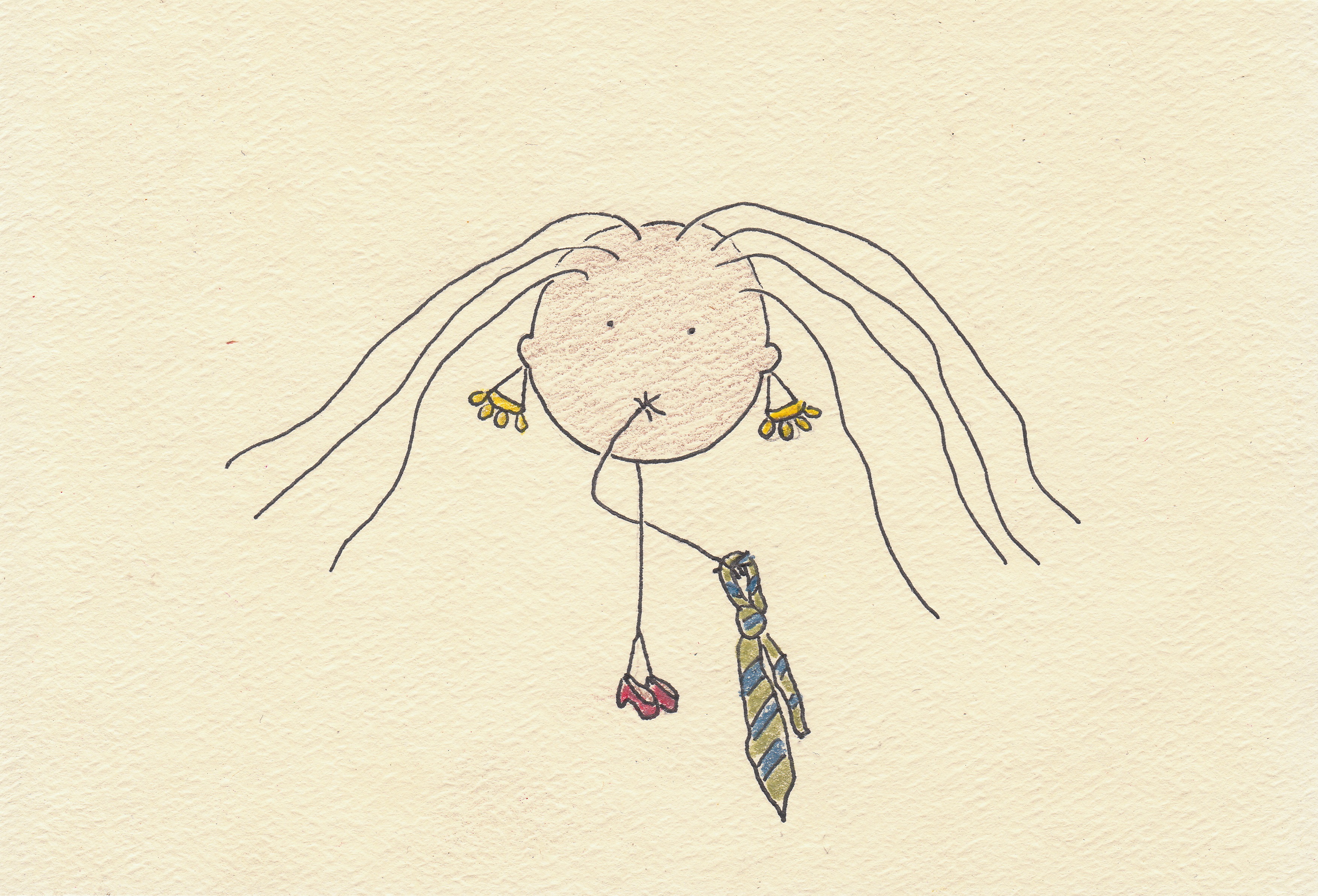
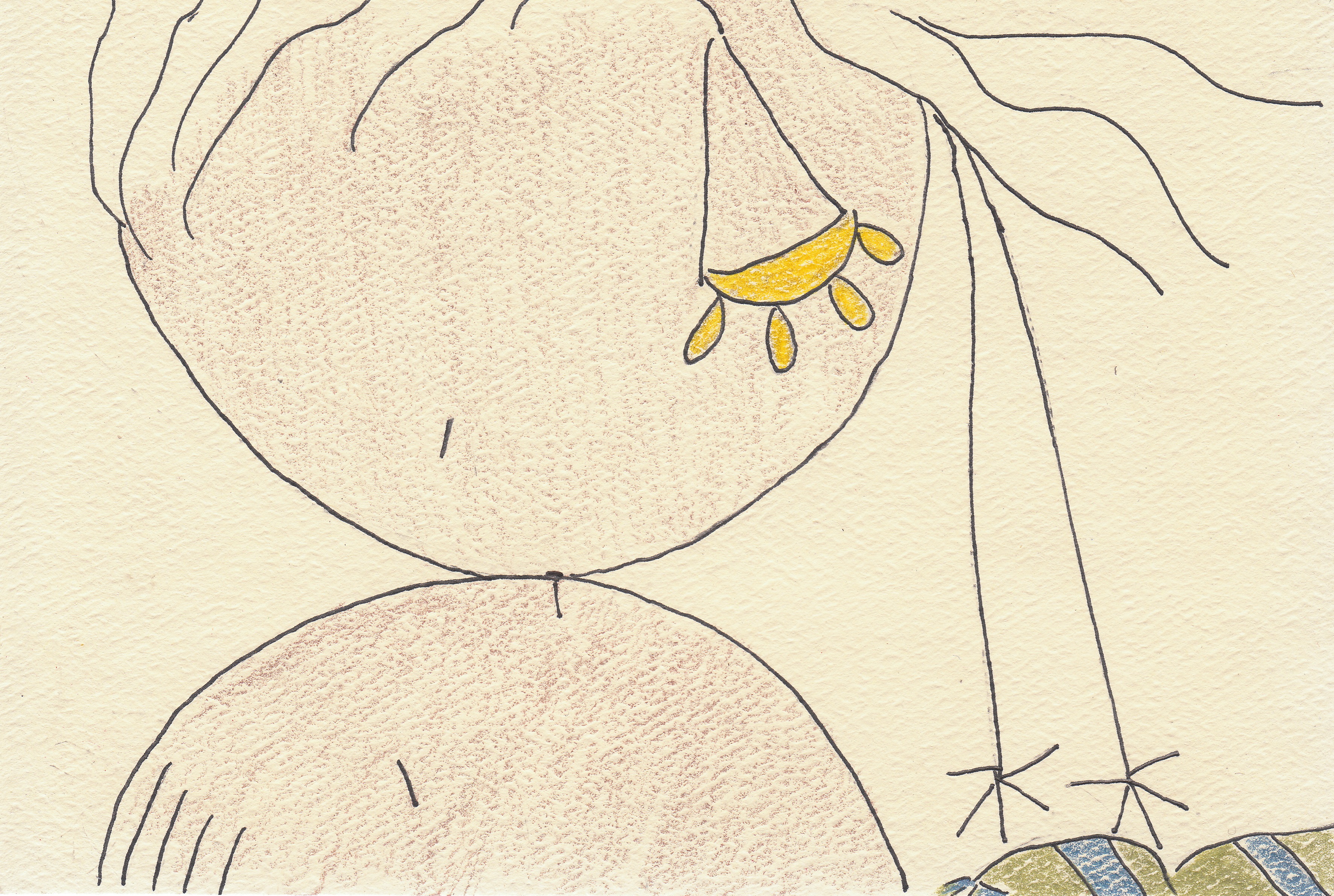
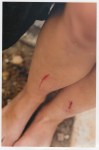
Split the plant. Split your chest. A friend can do this for you. A small slice.

This is not something they do yet at Cactus or Mecca Tattoo, I don’t think, but I could be wrong. People are getting new things pierced and implanted all the time, and organic is big. But right now I think this is still DIY.
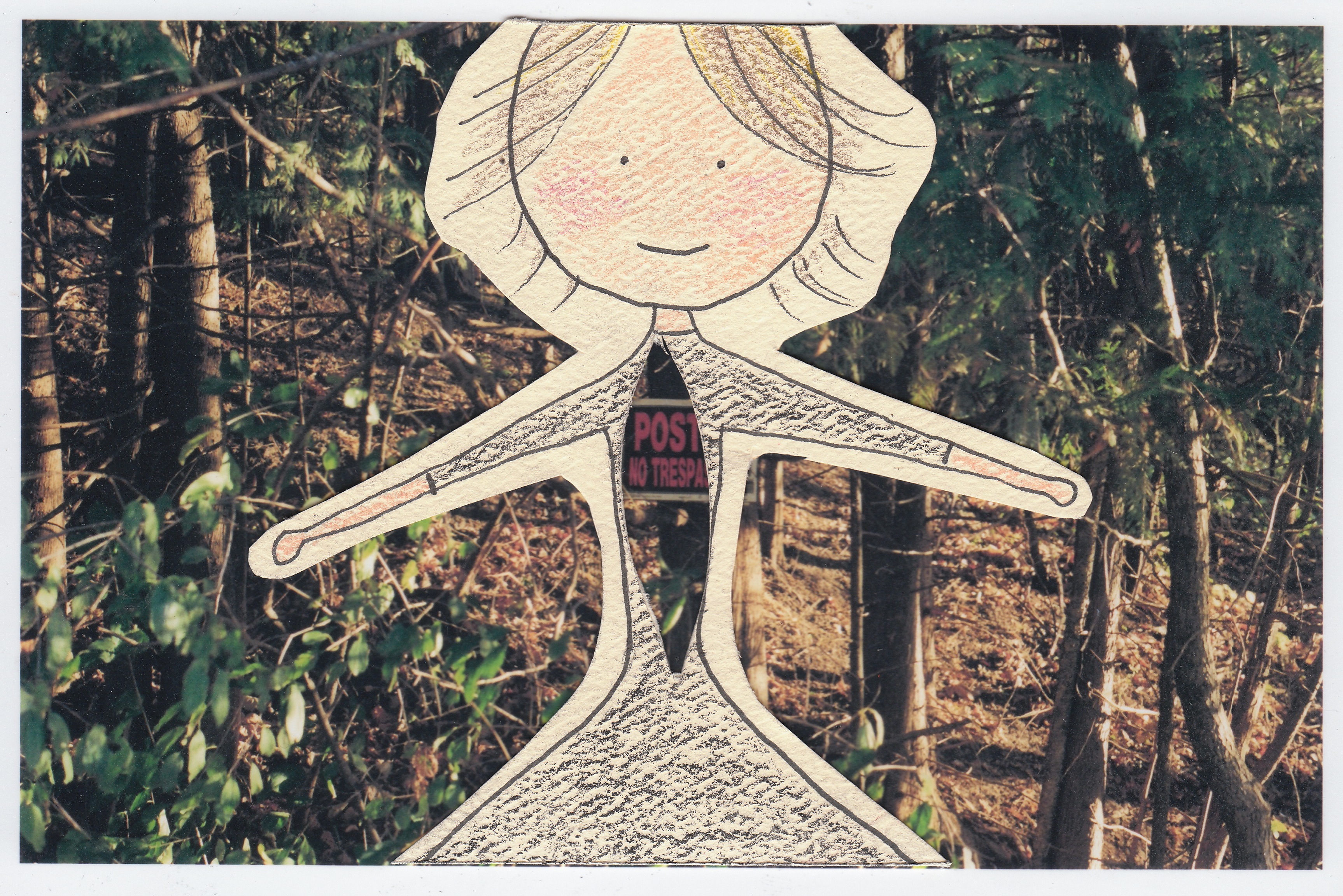
Graft. Hold the plant tight to the slice. Hopefully not too deep so not a lot of blood. The plant just needs a little moisture to take hold. It doesn’t need much from you. This is the way it’s going to be all winter long, so press gently but firmly.

You want it somewhere you can easily see when you glance down on days when you’re depressed, but on the good days, you’ll want it to lie flat and not snag your sweater. You’ll want a high-cut camisole.
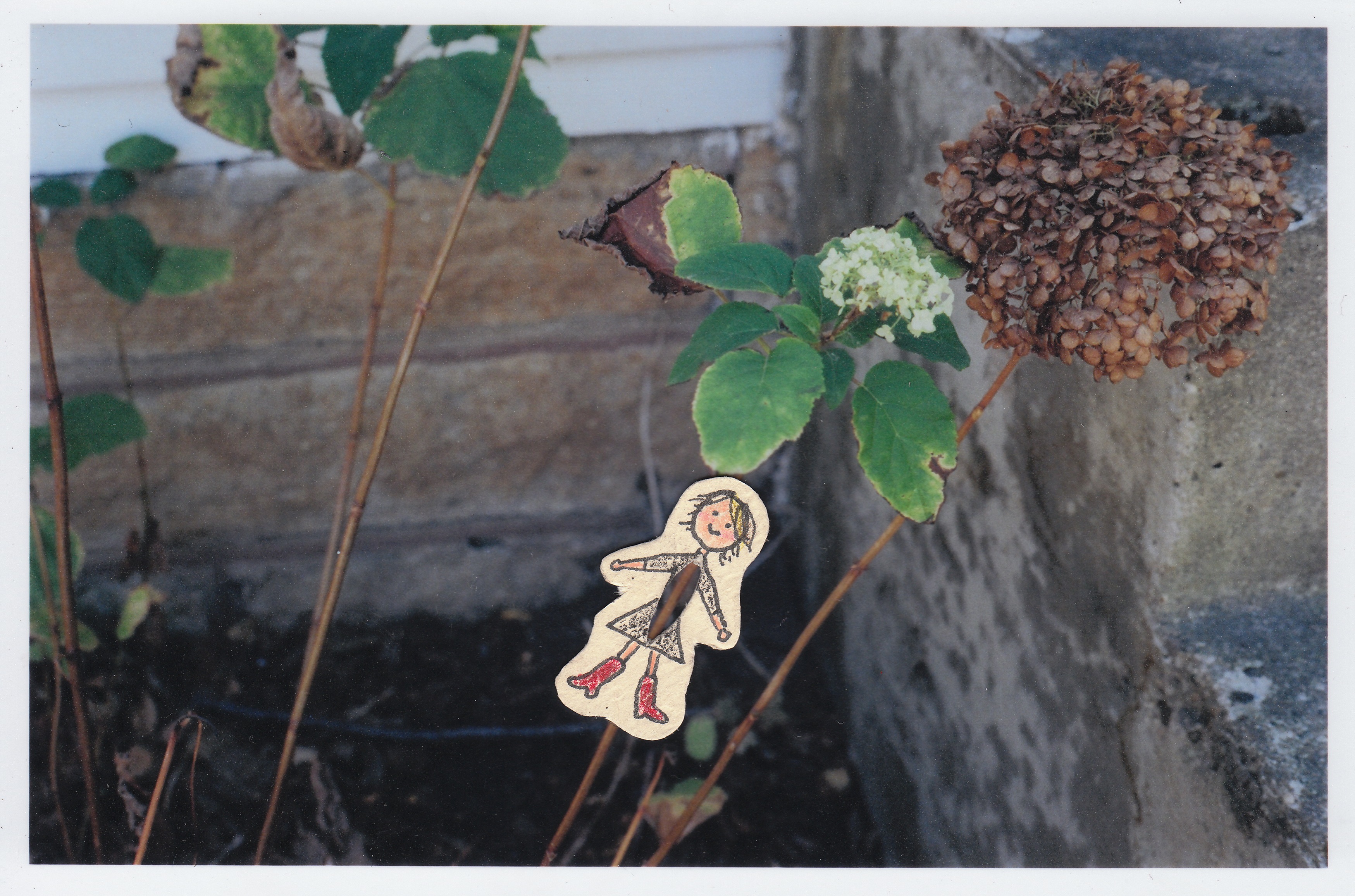
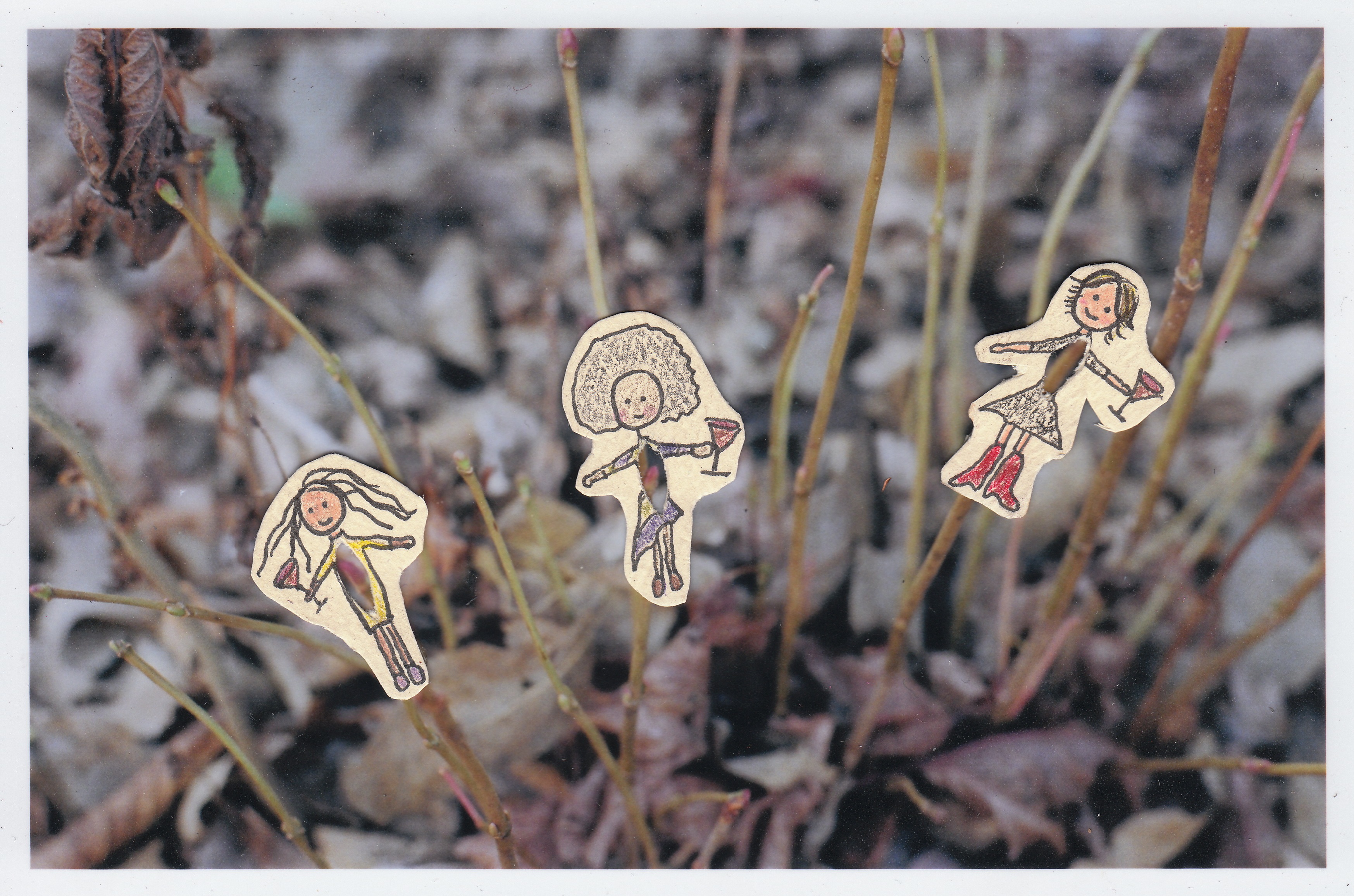
Get your friends to do it too. There you’ll be all winter long, having parties in rooms with full-spectrum light. Everybody will be talking about how their graft is doing. Everybody will be clear about their purpose. Everybody will be hopeful and looking good, thanks to the universally flattering power of earth tones.
A fine blend of hair, skin and nails

Three days after the shooting at Salon Meritage, I saw my stylist at her shop between the DQ and a vacant child psychology office. It’s her third shop in fifteen years. When you find someone who saves you from yourself every four to six weeks, you follow her.

She doesn’t do manicures.

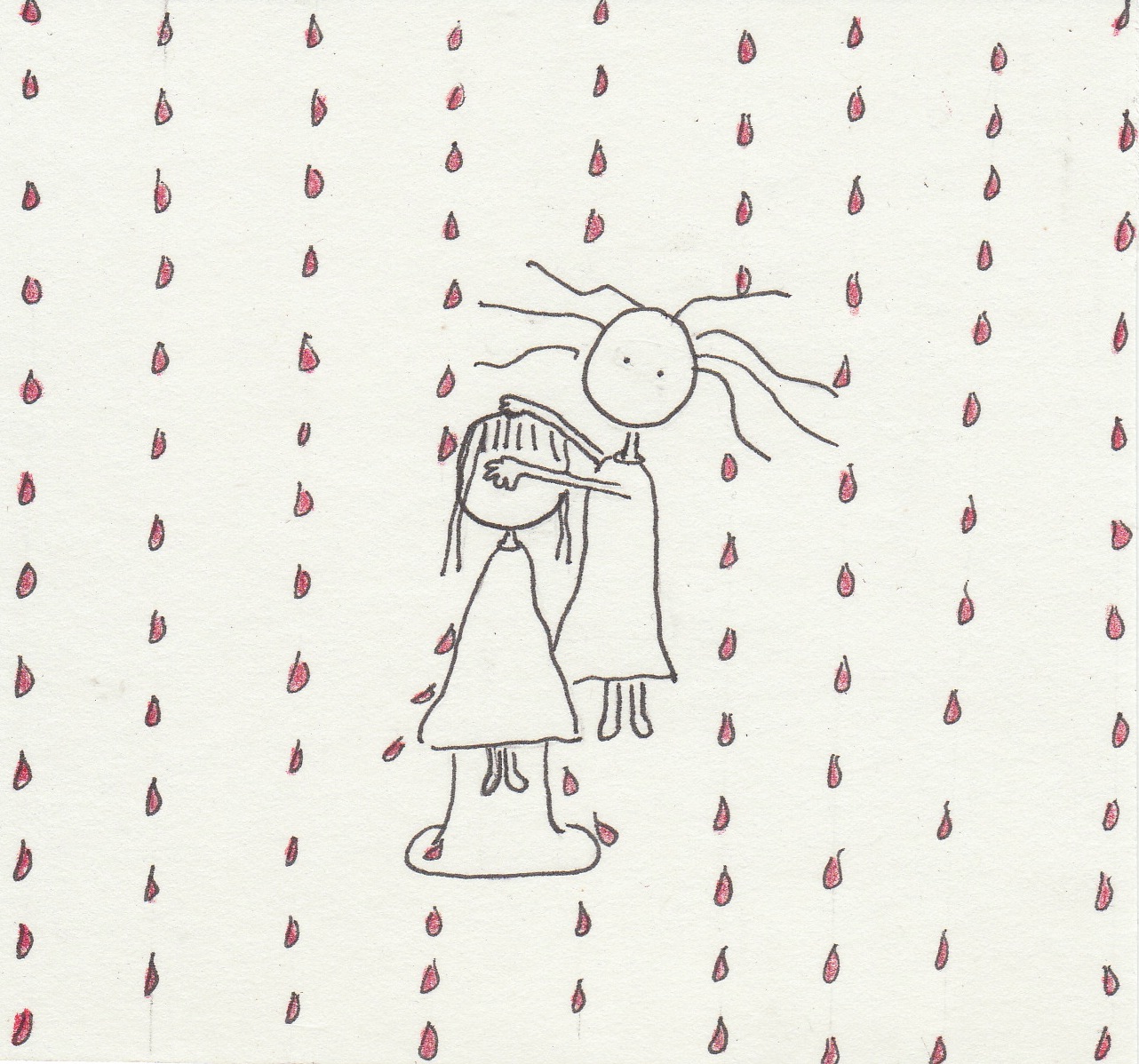
She tolerates my box color. She lifts the thin hair from the crown of my head and does everything she can think of to keep it from falling back down. She asks, “is this ok, is the water too hot, is your neck ok?” With that kind of talk, my stylist takes away the sins of the world.

If someone came in and shot us in the act, like what happened at Salon Meritage, I believe my stylist would shield my eyes from the spray while her other hand blessed my sorry crown and checked to see if I needed one more round with the texturizing shears.
French women think about their bags

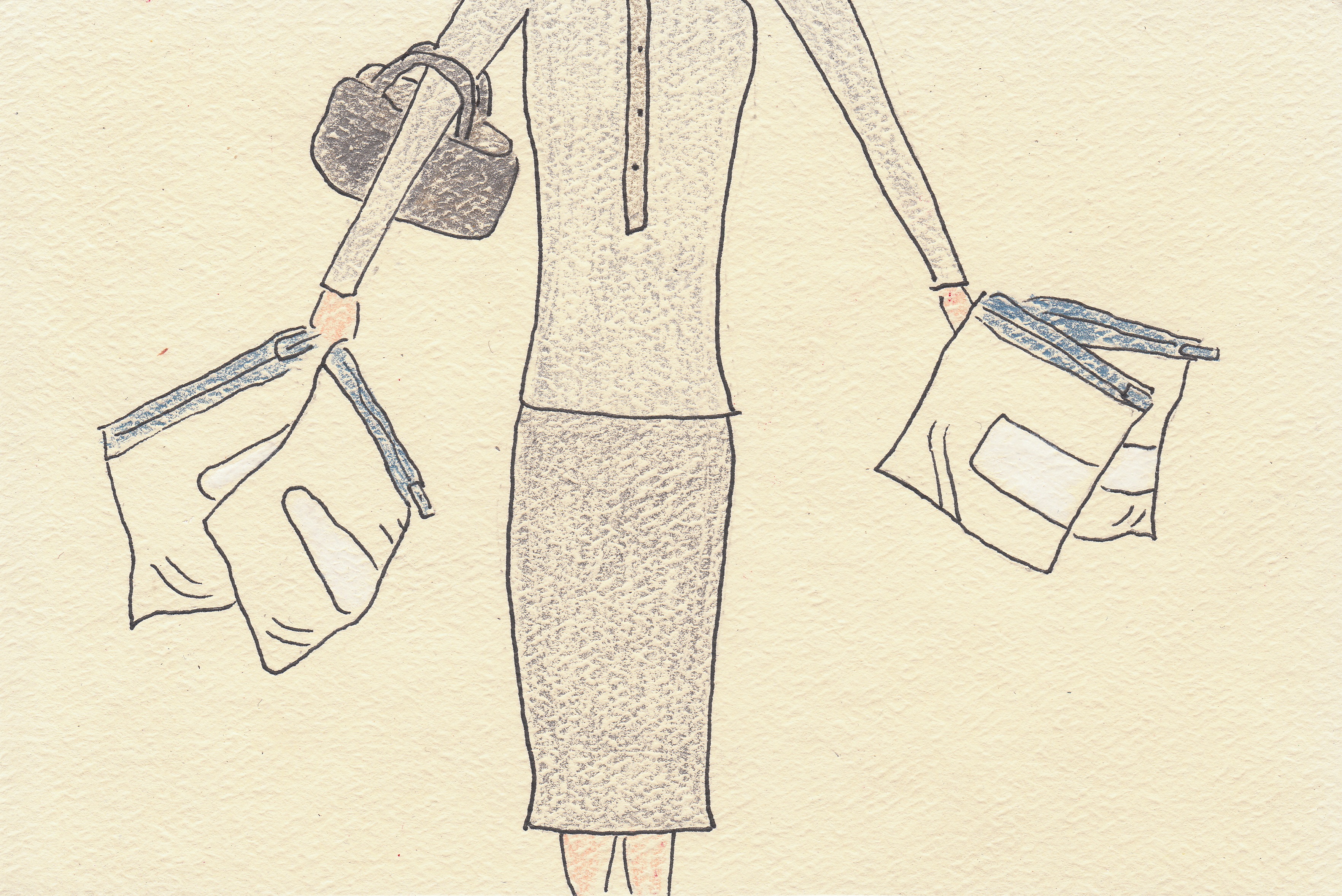
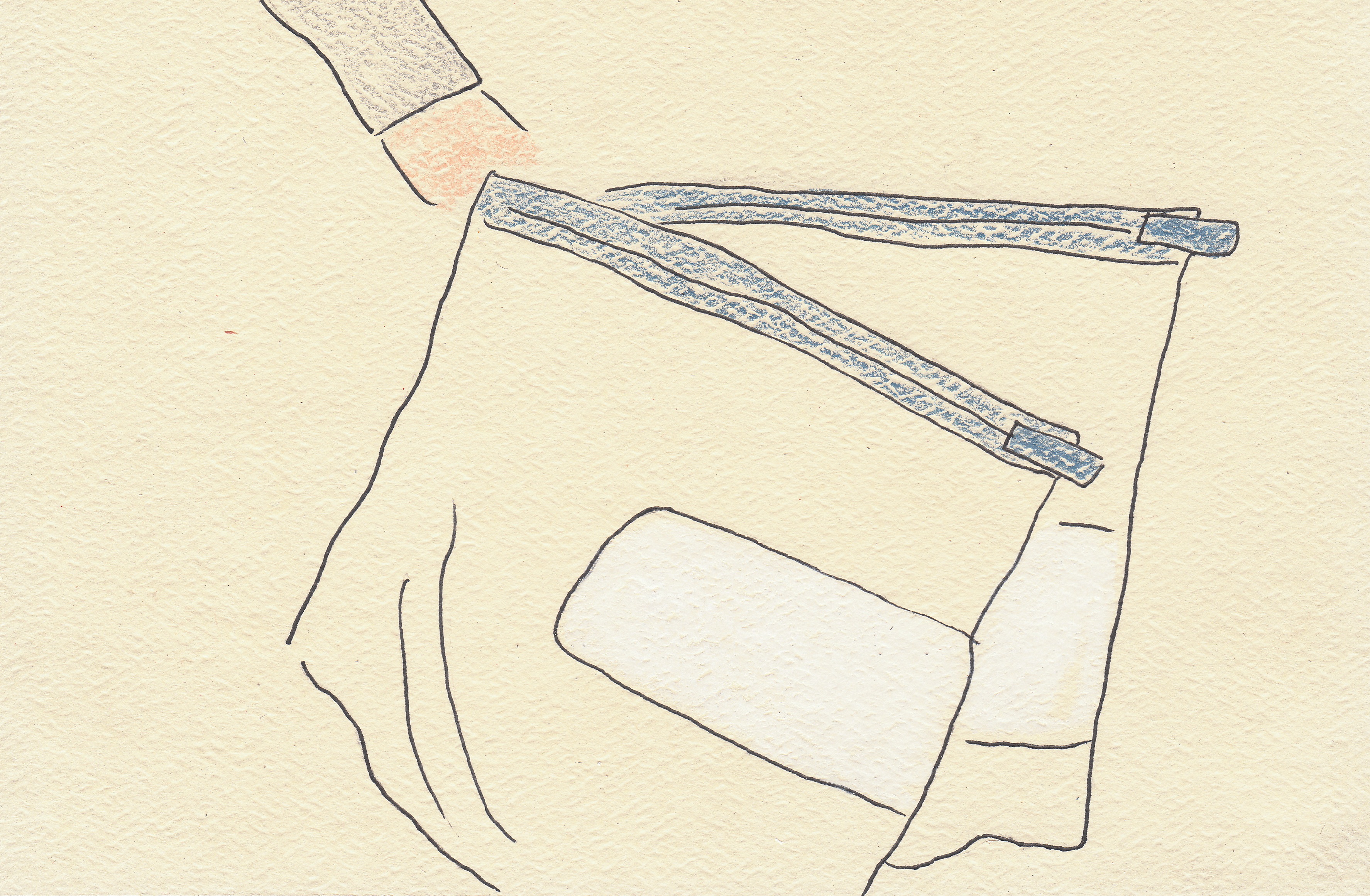
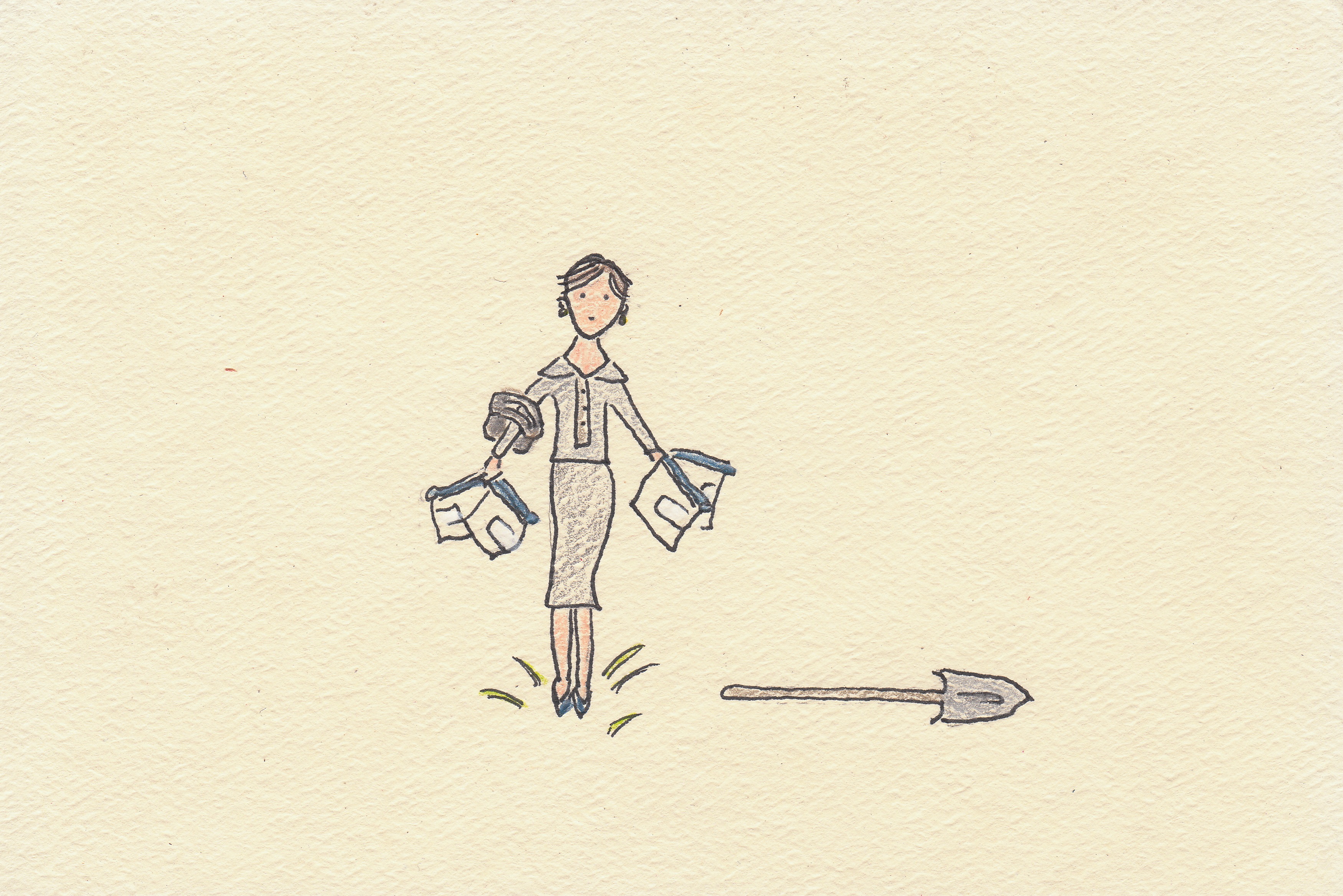
In 2010, The Guardian reported a rash of French women killing their infants and hiding the corpses in plastic bags in the garage, the garden, the trash. The foundation of the house. Usually more than one per woman.
It raises questions. One of them is what kind of bags. And why are the bags themselves reported. Is the reason for mentioning “bags” to indicate something that can’t be said? The word came up several times.

Were they zip-locking bags, was that the point? Because it’s what I pictured. You can’t read the word that many times and not picture something. Did the reporter want to write that, but the company asked them not to, because how awful, how awful. Let them please be opaque and brandless bags, a company representative might have said.

Everybody knows it doesn’t matter whether you say it or not. You talk about bags this way and people are going to know you mean “zip-locking.”

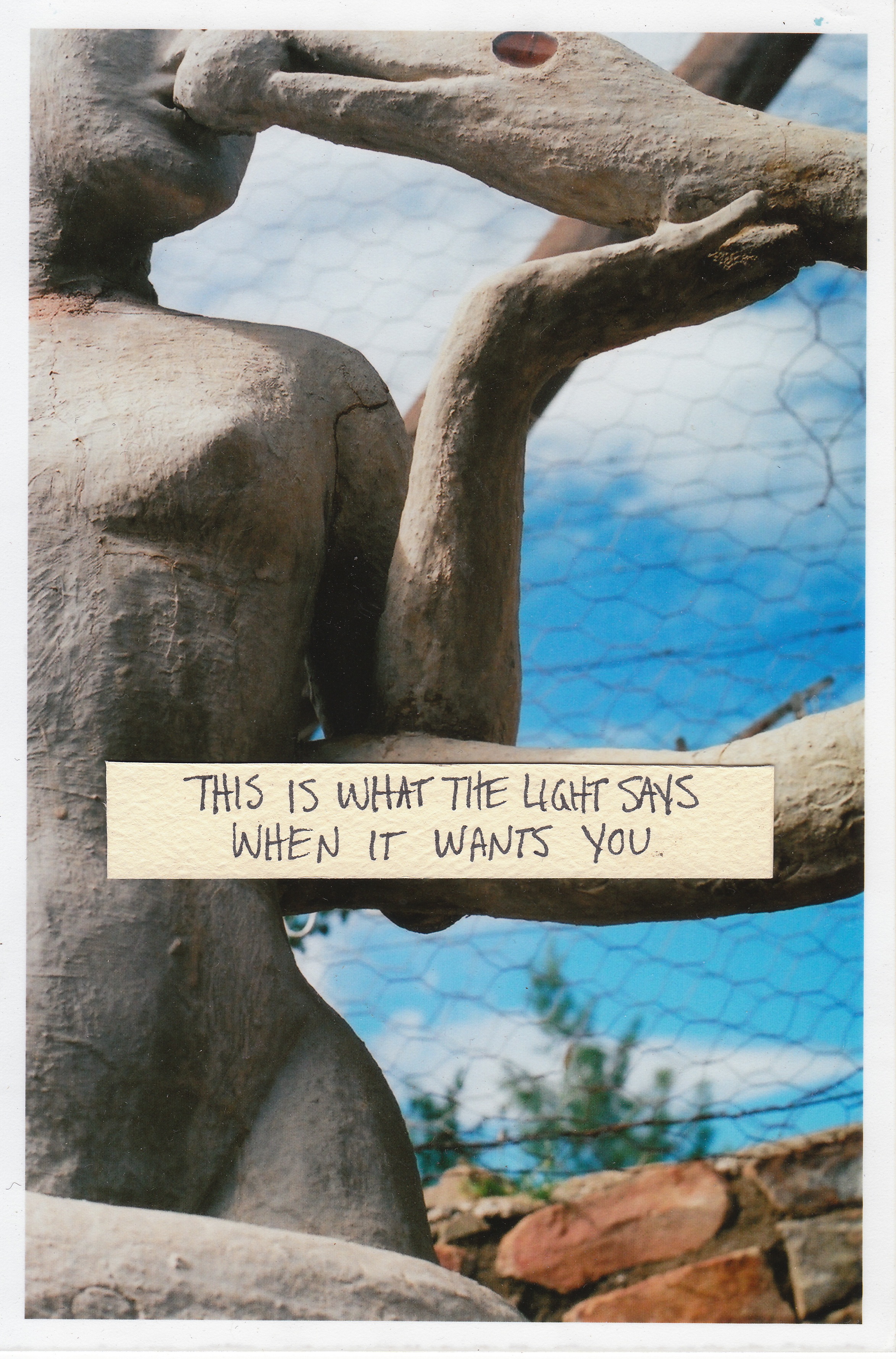
This is what the light says when it wants you

You think you know the warmth of light when it goes all the way into your dilated pupils, when the beam heats your smallest blood vessels so slowly they turn orange like stove coils and burst into black snowflake spots that float between here and there, between you and the mountains, you and the shacks. You think you know that kind of heat. You think it’s a thing anybody can see, just by looking, just by asking.

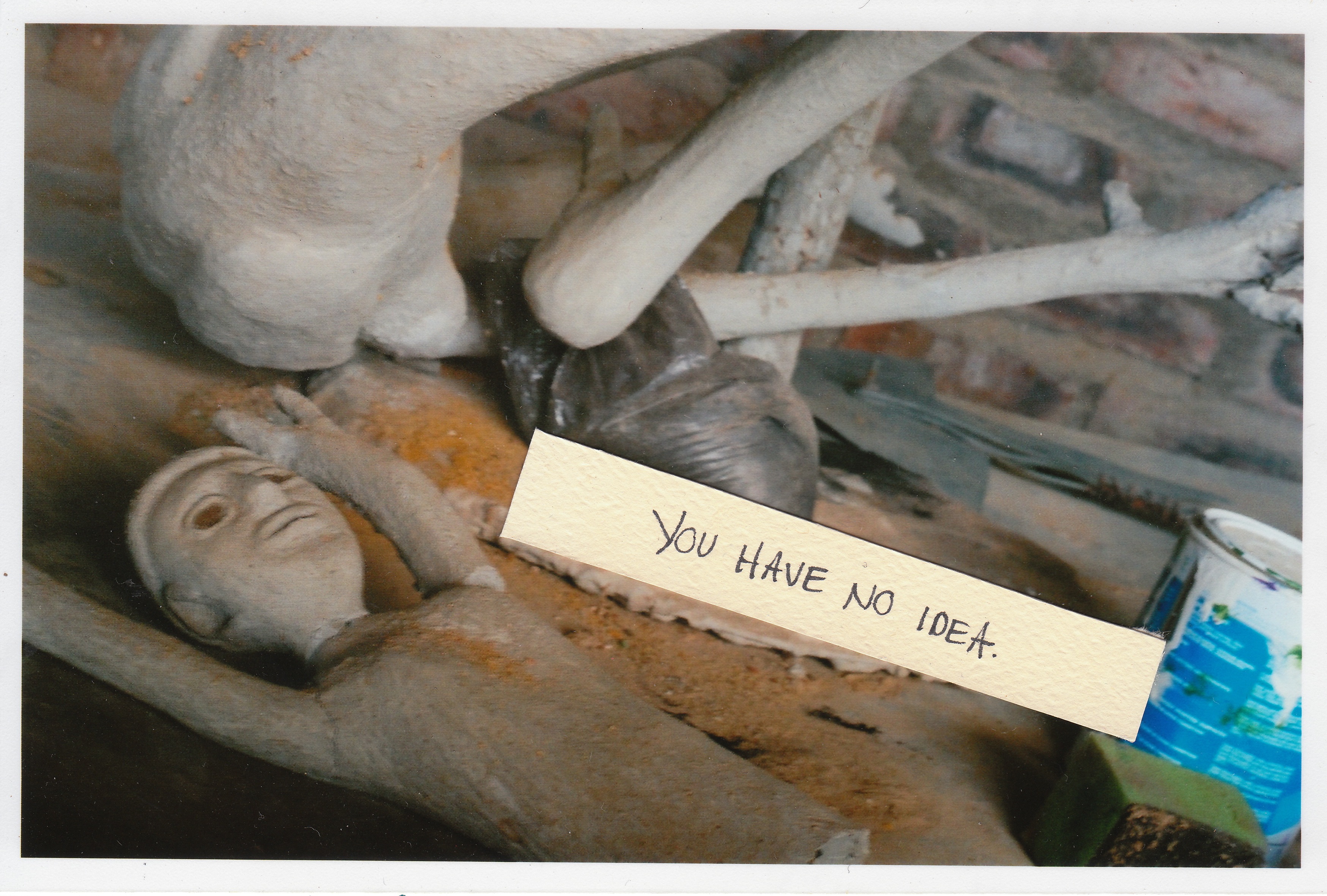
You think you know. I’ll tell you a lot of things eventually but right now I’ll tell you this: you have no idea.


You don’t know the first thing about my light. You can’t know unless you’ve been touched by it, pried open by it, made ash and then whole again by it. You would only know if I’d chosen you, and I haven’t. Not yet. I might. I might never. Someone is always next. There’s always a chosen one, and the light is what makes it happen. It’s a seeking light. It gets thirsty for things to bend around, to wash clean with its wide mouth, with its slow see-through tongue that fills and fills and fills your face. It fills your mouth and your pupils, your house, your town. Up over the mountains and gently, completely in between each one, all the way across the flat bowl of the valley.

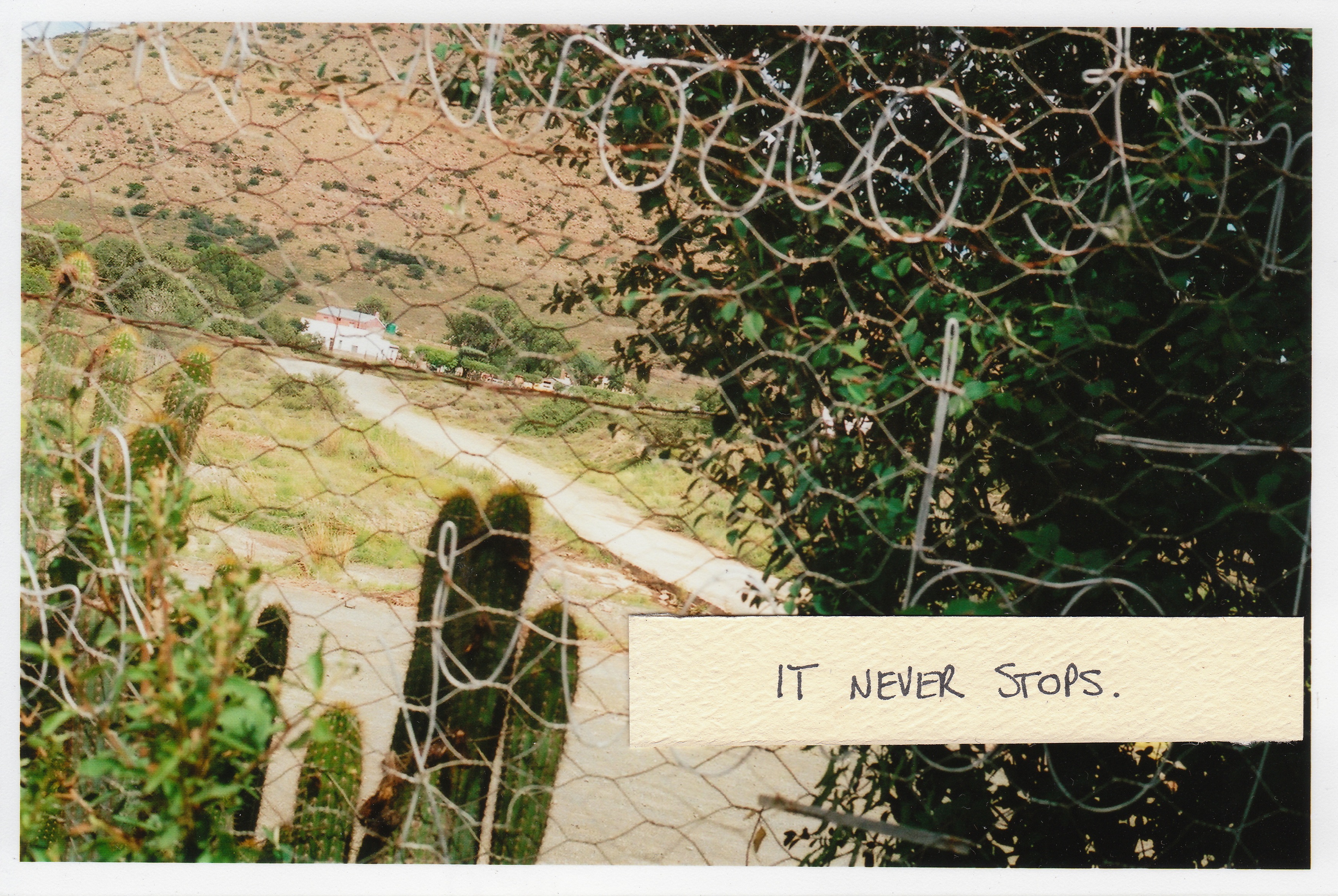
Imagine a light exactly that big. It never stops.

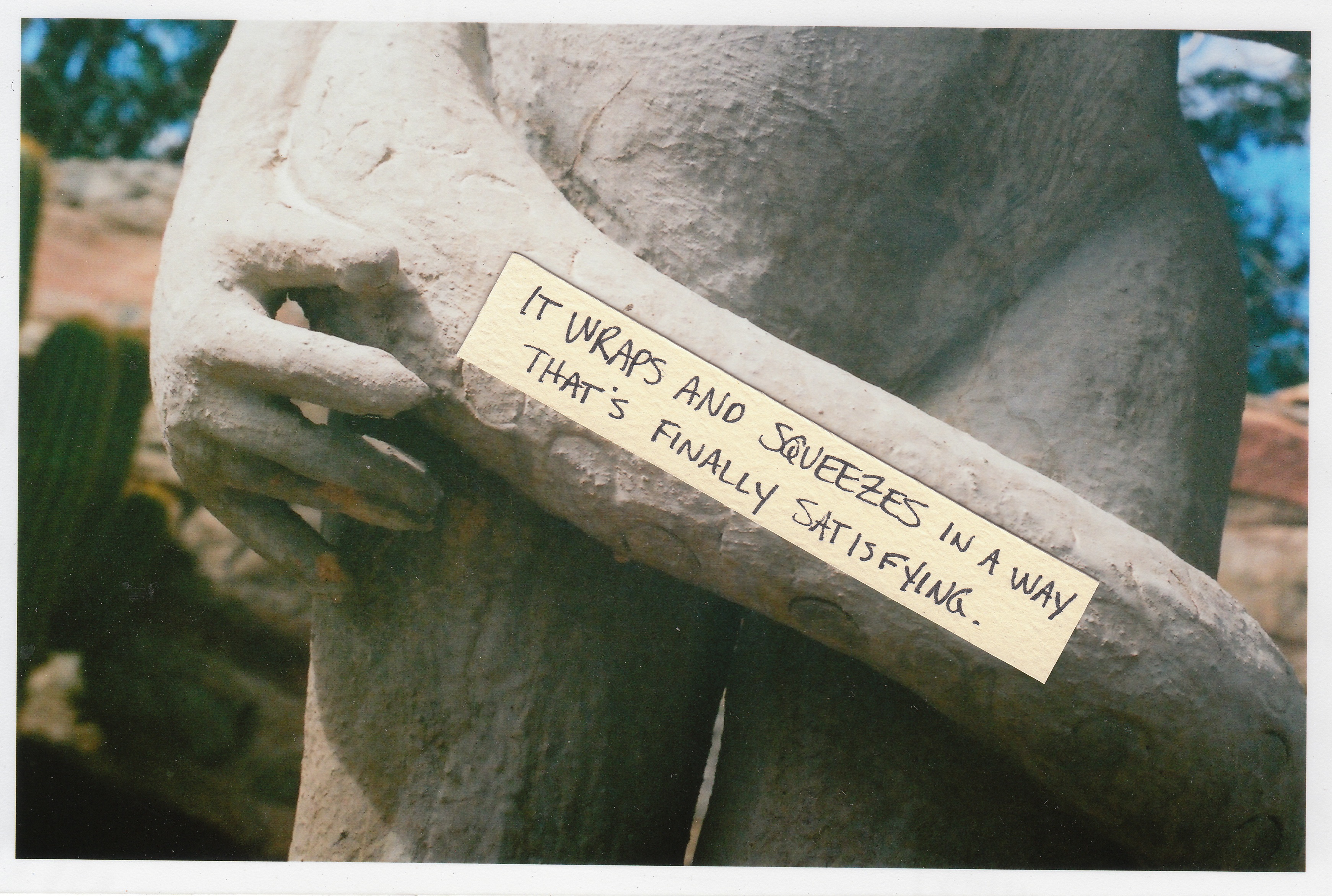
Imagine a light exactly that fast. When it finds the thing to bend around, the new thing, the right one, it wraps and squeezes in a way that’s finally satisfying – finally – and then it’s not. It’s gone. The light still bends around the new thing, but light is empty.


Imagine the power of that. Imagine how it is to be made of such a thing. Imagine how it is for me to fill up a room, and at the same time to empty it, to seep in as wide and slight as an echo.

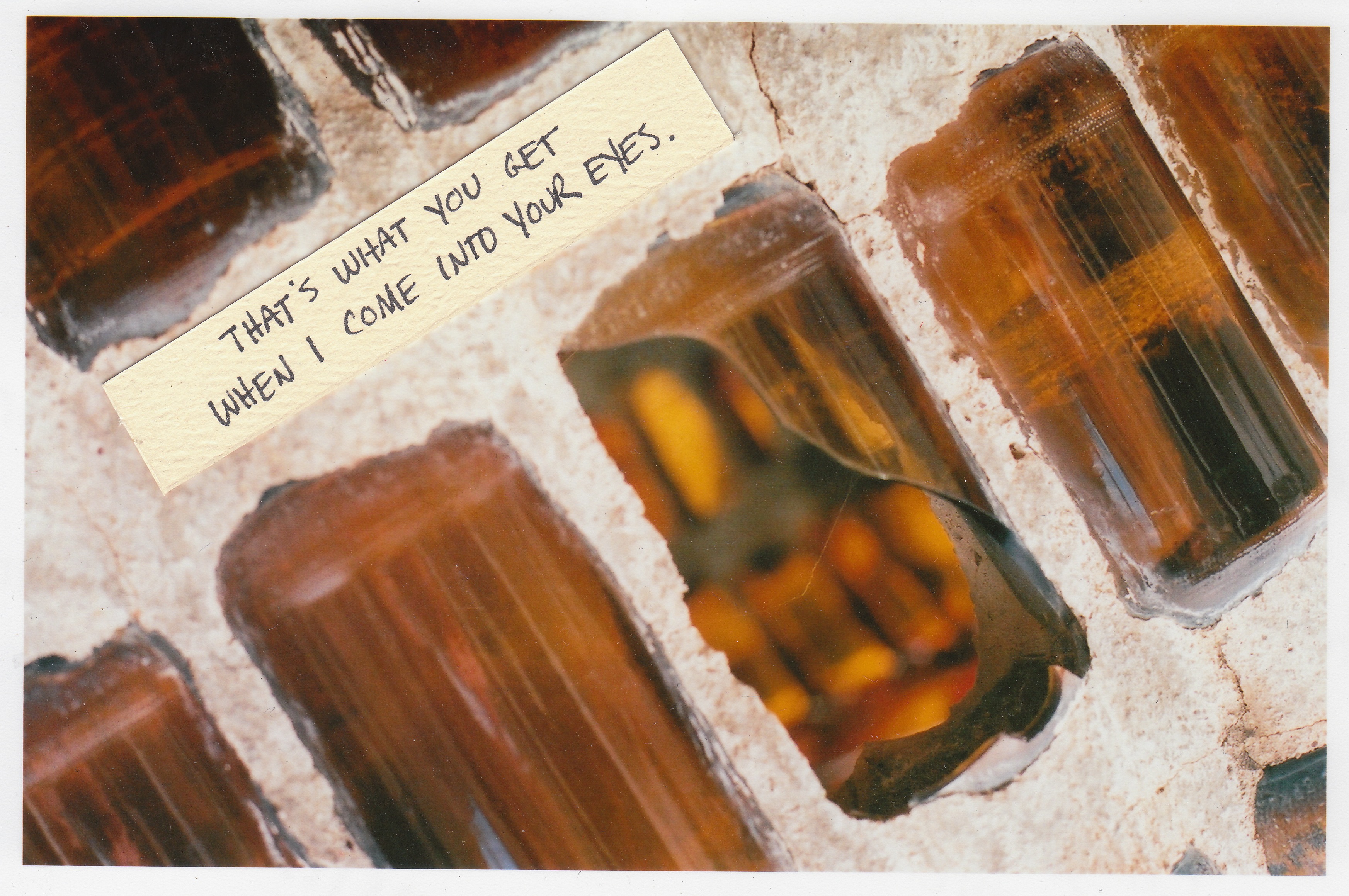
That’s what you get when I come into your eyes. If you see black flakes, you’re lucky, because they’re the last bits of beauty you’ll feel. Everything else will burn off in the heat of me, the light, the truth, the lack.

You’re so lucky if you’re my chosen one. If I choose you, you’ll never see or know or eat again. Just let me in and I’ll show you. I’ll warm you. You’ll enjoy it, or you won’t. Open up like she did. Show me you’re ready. Show me in the way you shuffle to the post office, squatting to hide your accidentally amputated toes. That’s what Helen did. When I saw that, I knew she was mine.

The Owl House, Nieu Bethesda, South Africa, 2010.

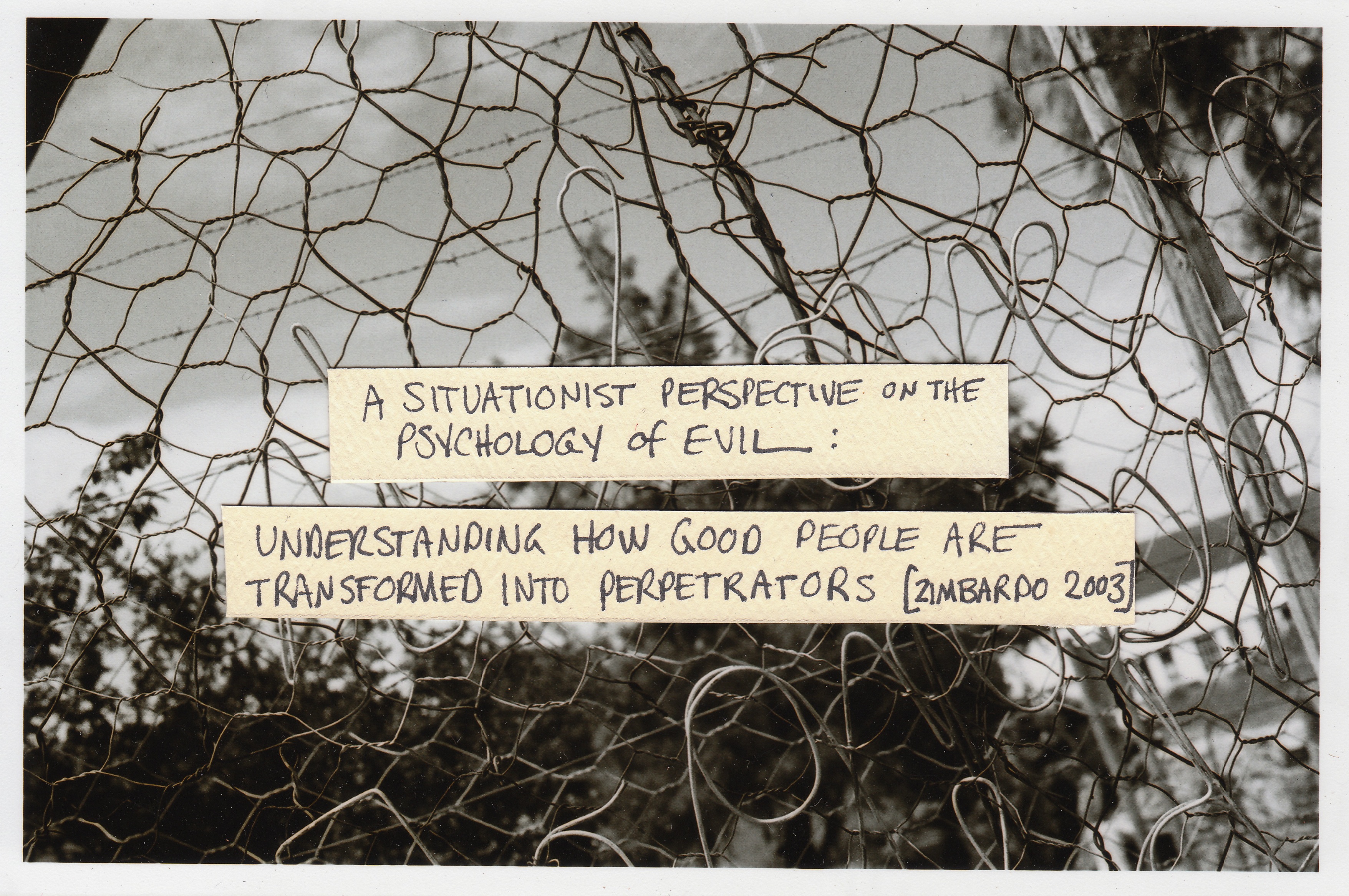
The situationist’s recipe for transforming good people into perpetrators

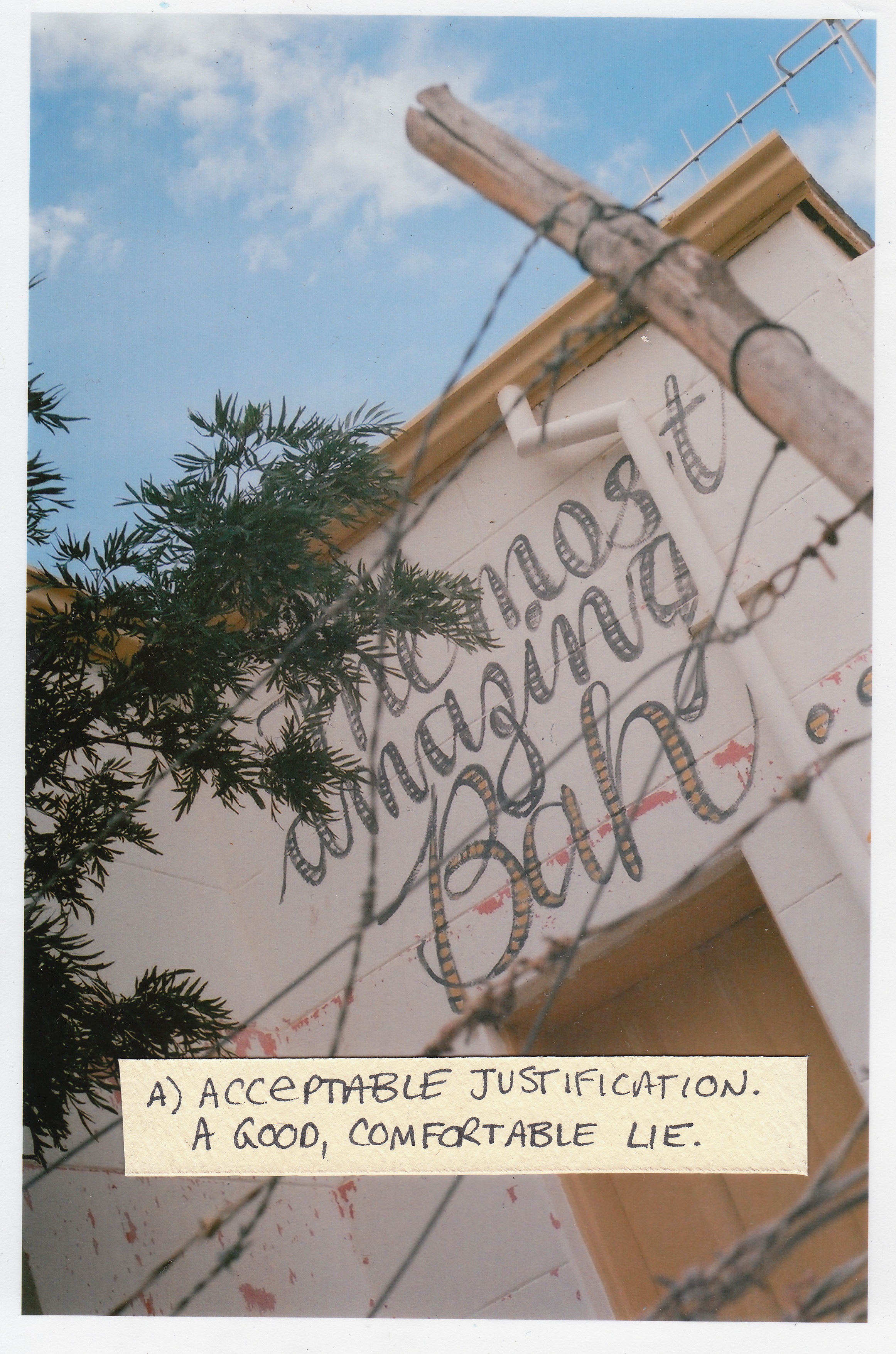
First, you just need Condition A:

“An acceptable justification, or rationale, for engaging in the undesirable action, such as wanting to help people improve their memory by judicious use of punishment strategies. In experiments it is known as the `cover story’ because it is a cover-up for the procedures that follow which might not make sense on their own.”

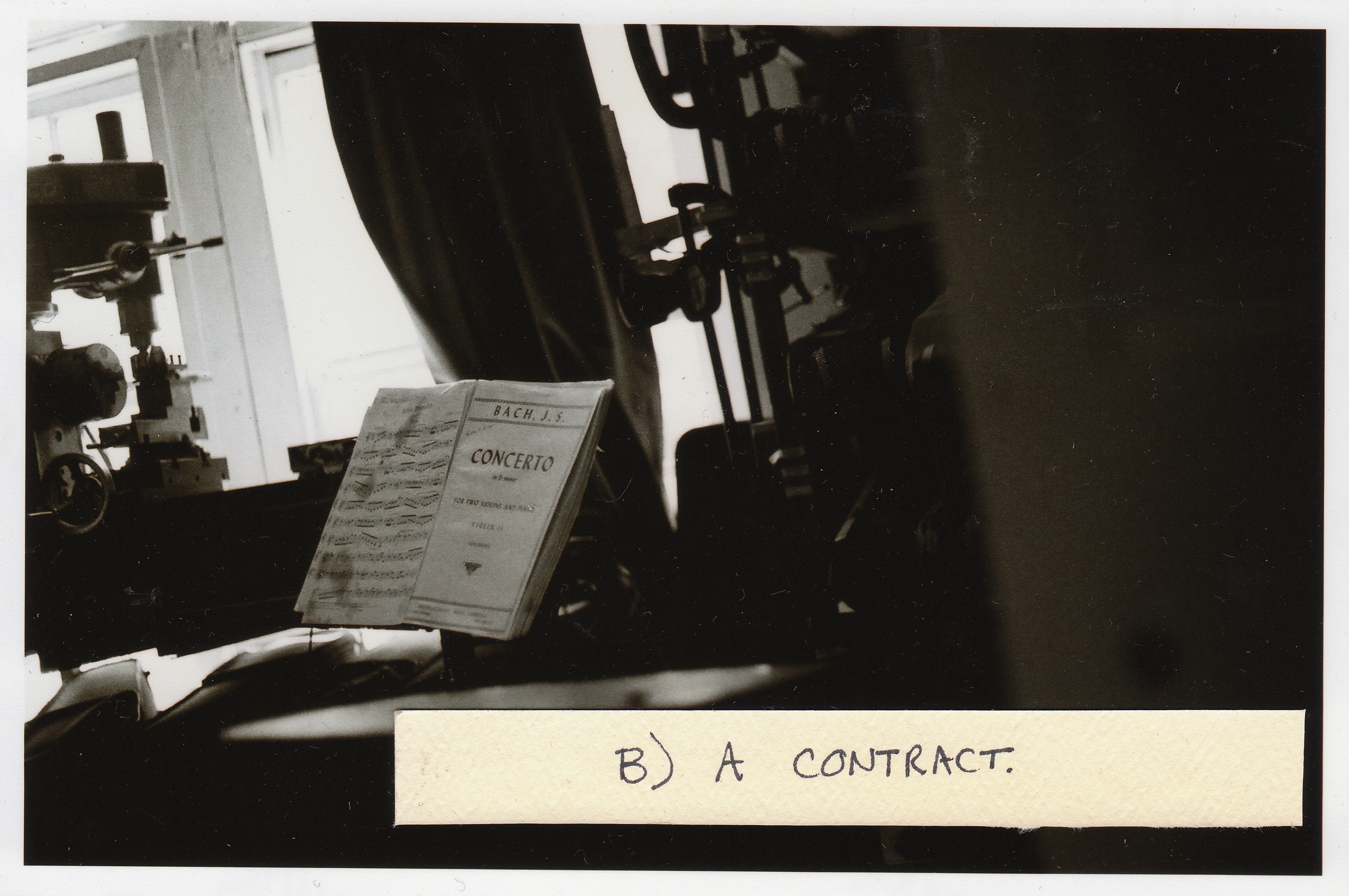
Then you need Condition B:

“Some form of contractual obligation, verbal or written, to enact the behavior.”

This makes it easier for everybody.

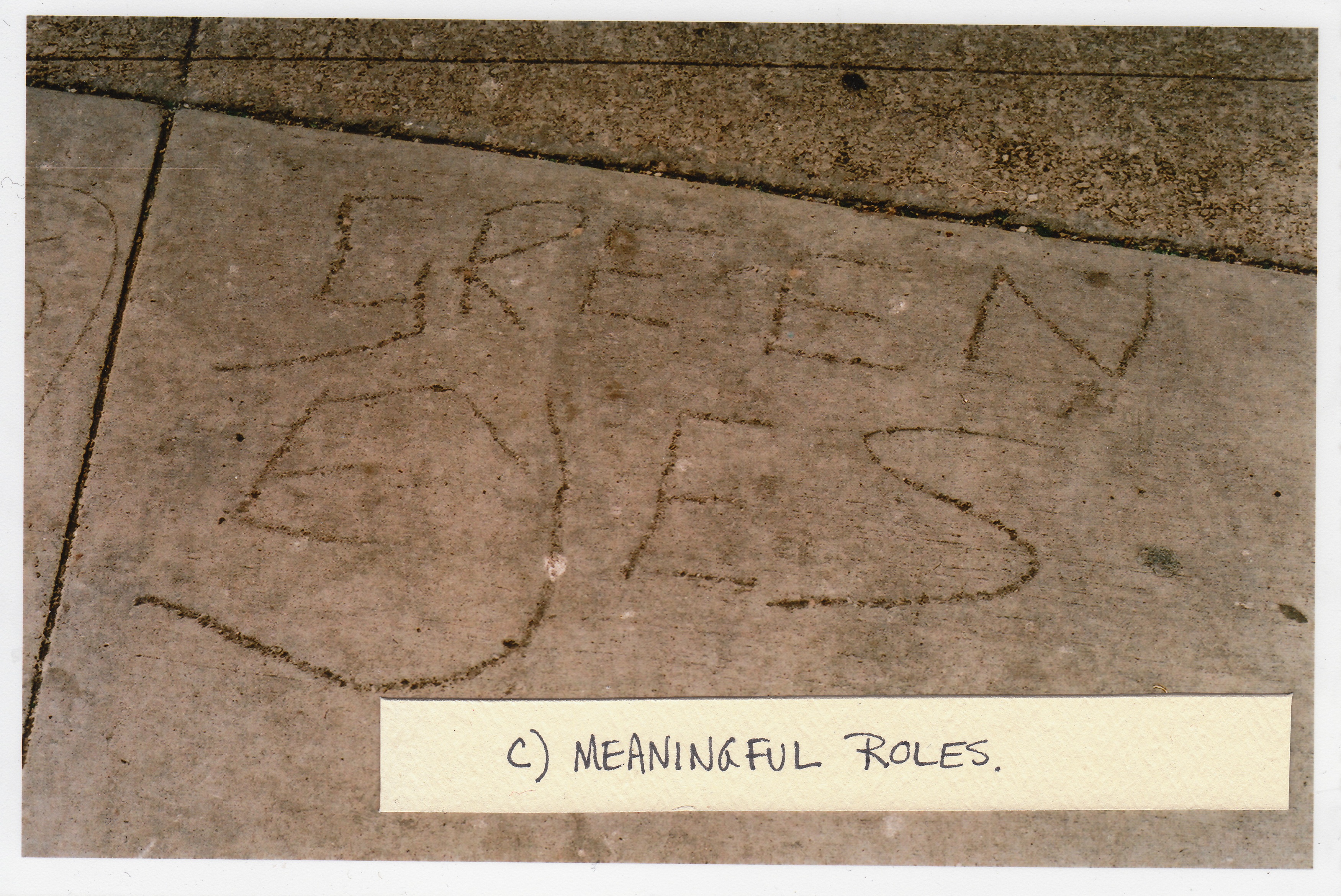
Then Condition C:

“Meaningful roles to play (teacher, student) that carry with them previously learned positive values and response scripts.”

Everyone likes this.

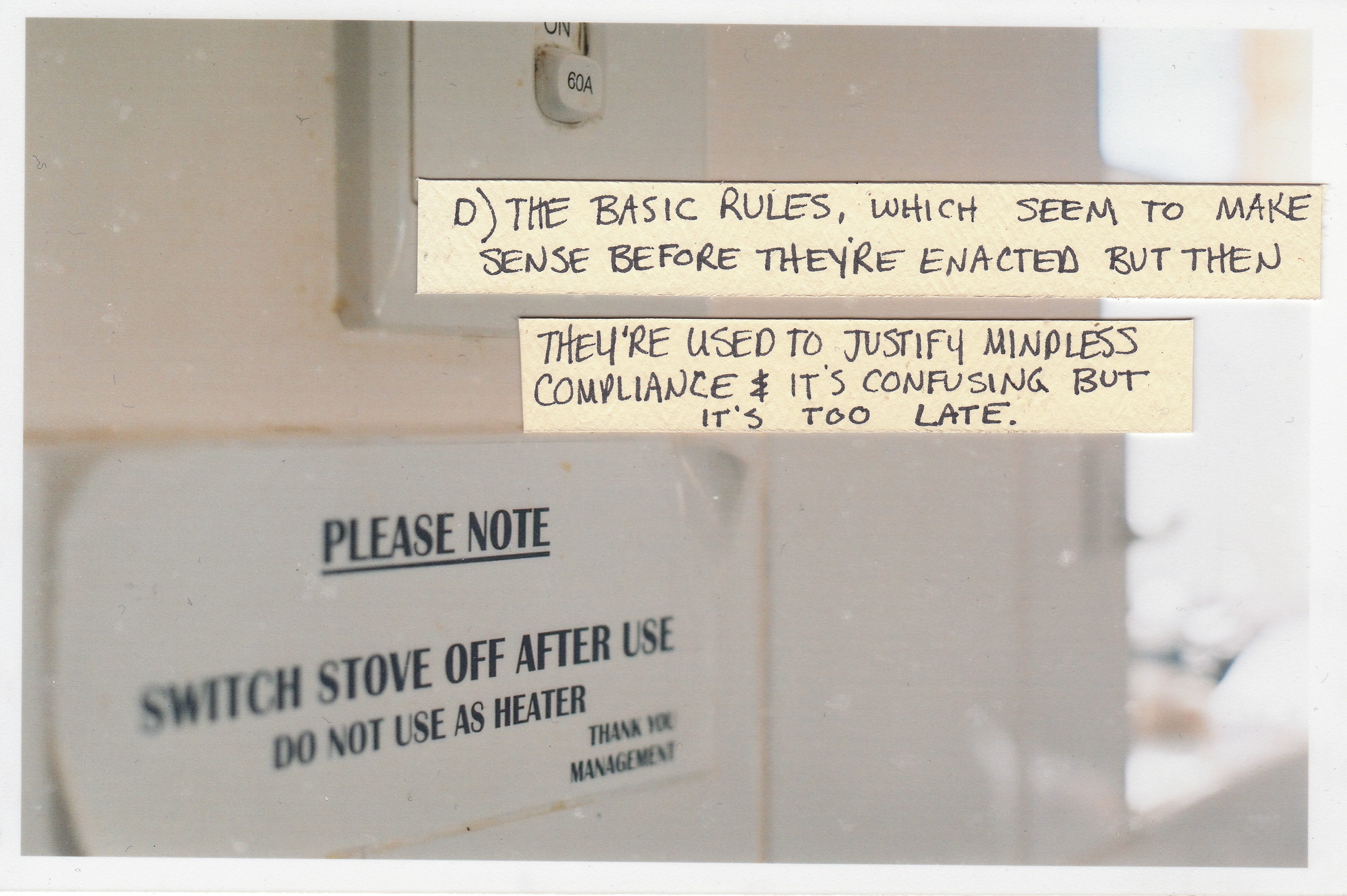
Very important, Condition D:

“Basic rules to be followed, that seem to make sense prior to their actual use, but then can be arbitrarily used to justify mindless compliance.”

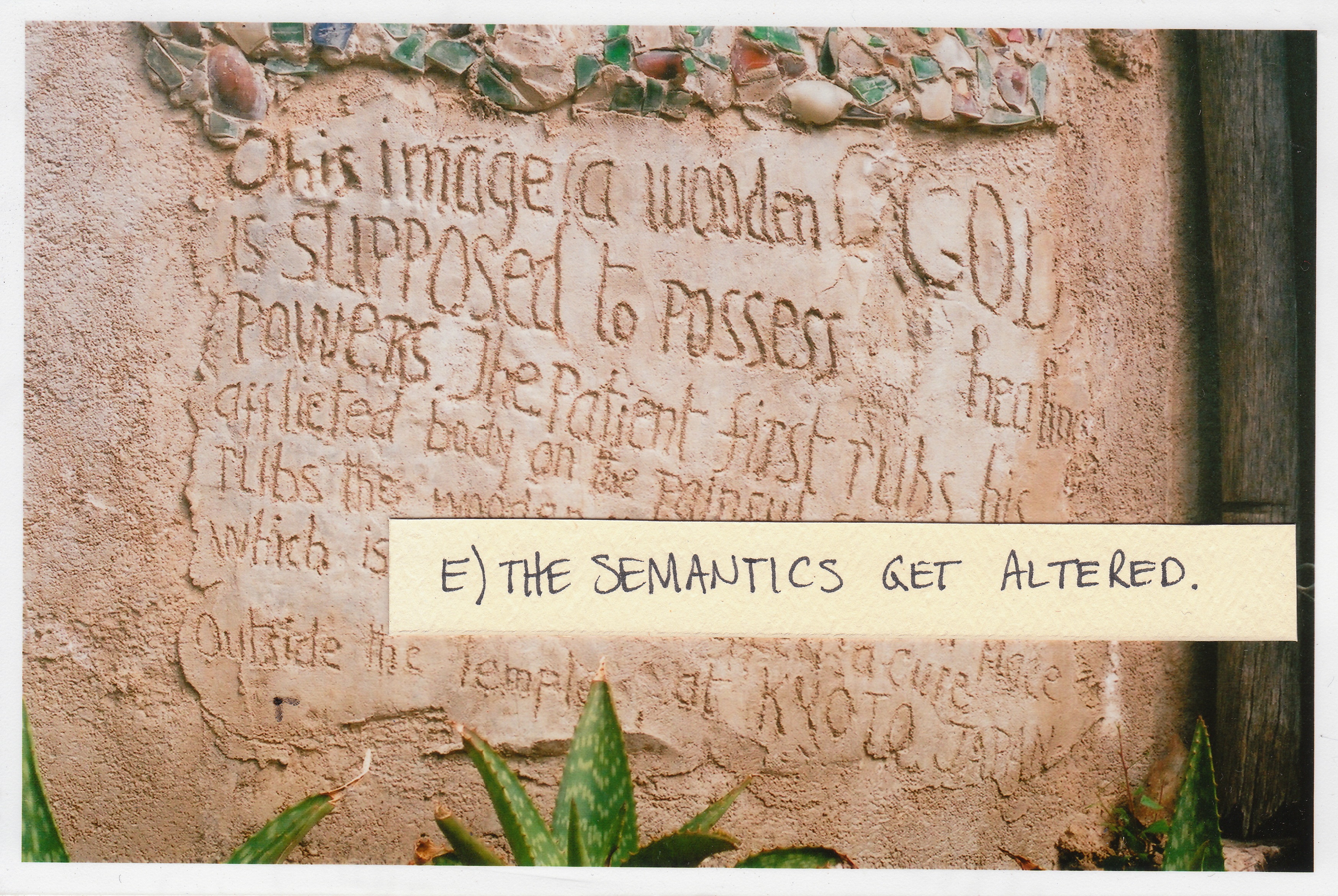
Then you need Condition E:

“Altering of the semantics of the act and action, from `hurting victims’ to `helping people learn (by punishing them).'”

Some people are so good at this. You’ll find it in sales.

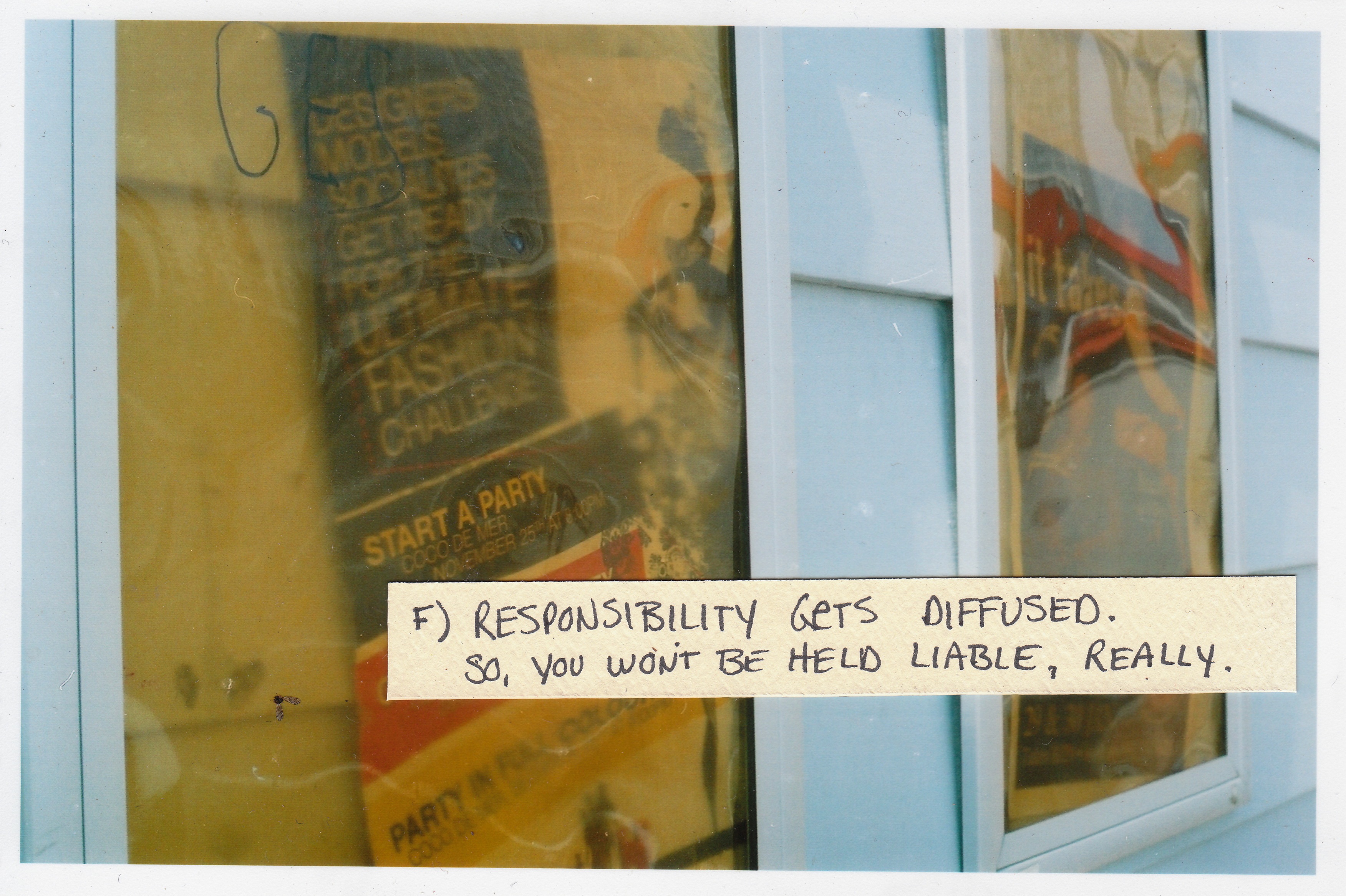
You have to have Condition F:

“Opportunities for diffusion of responsibility for negative outcomes; others will be responsible, or it won’t be evident that the actor will be held liable.”

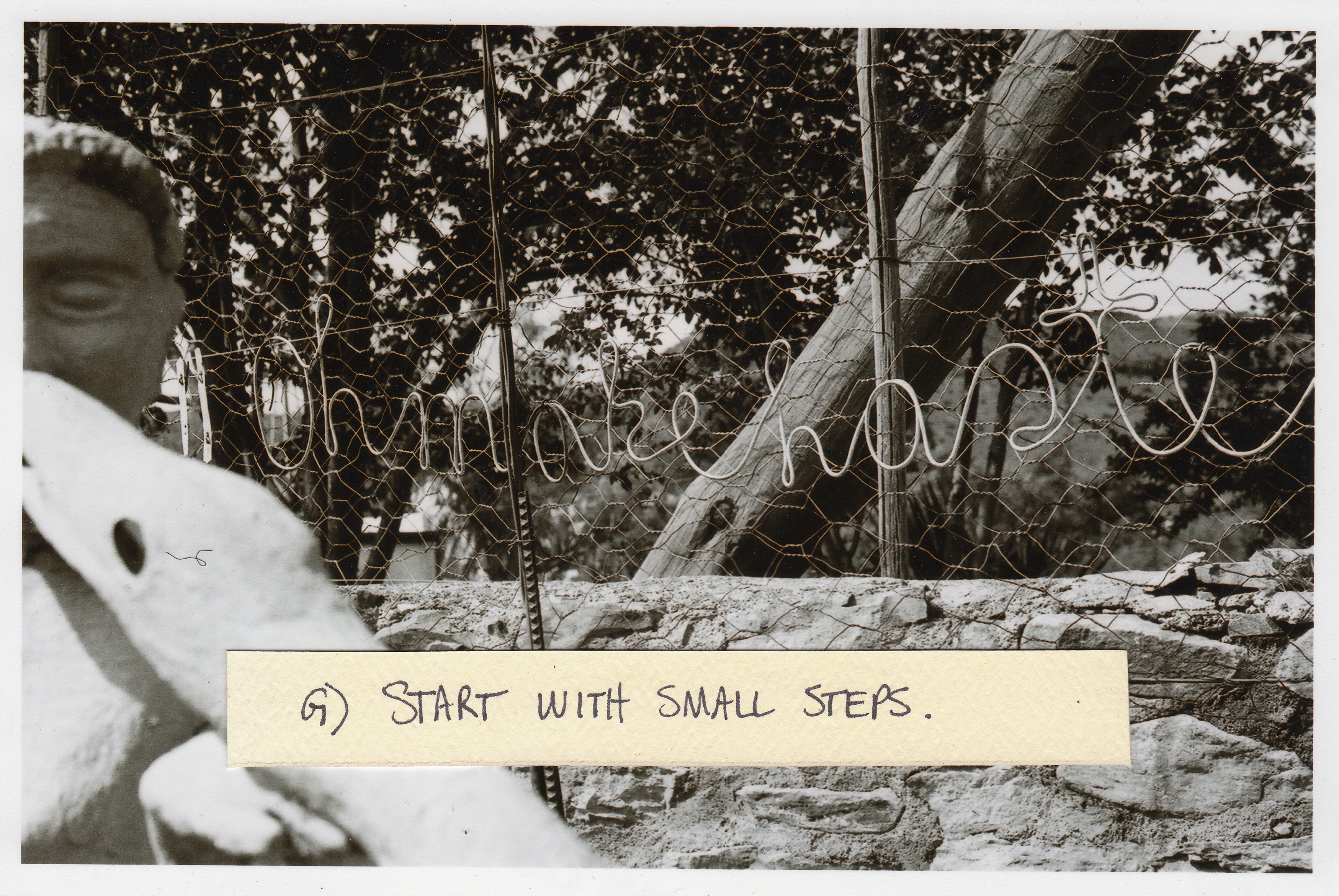
It gets good now with Condition G:

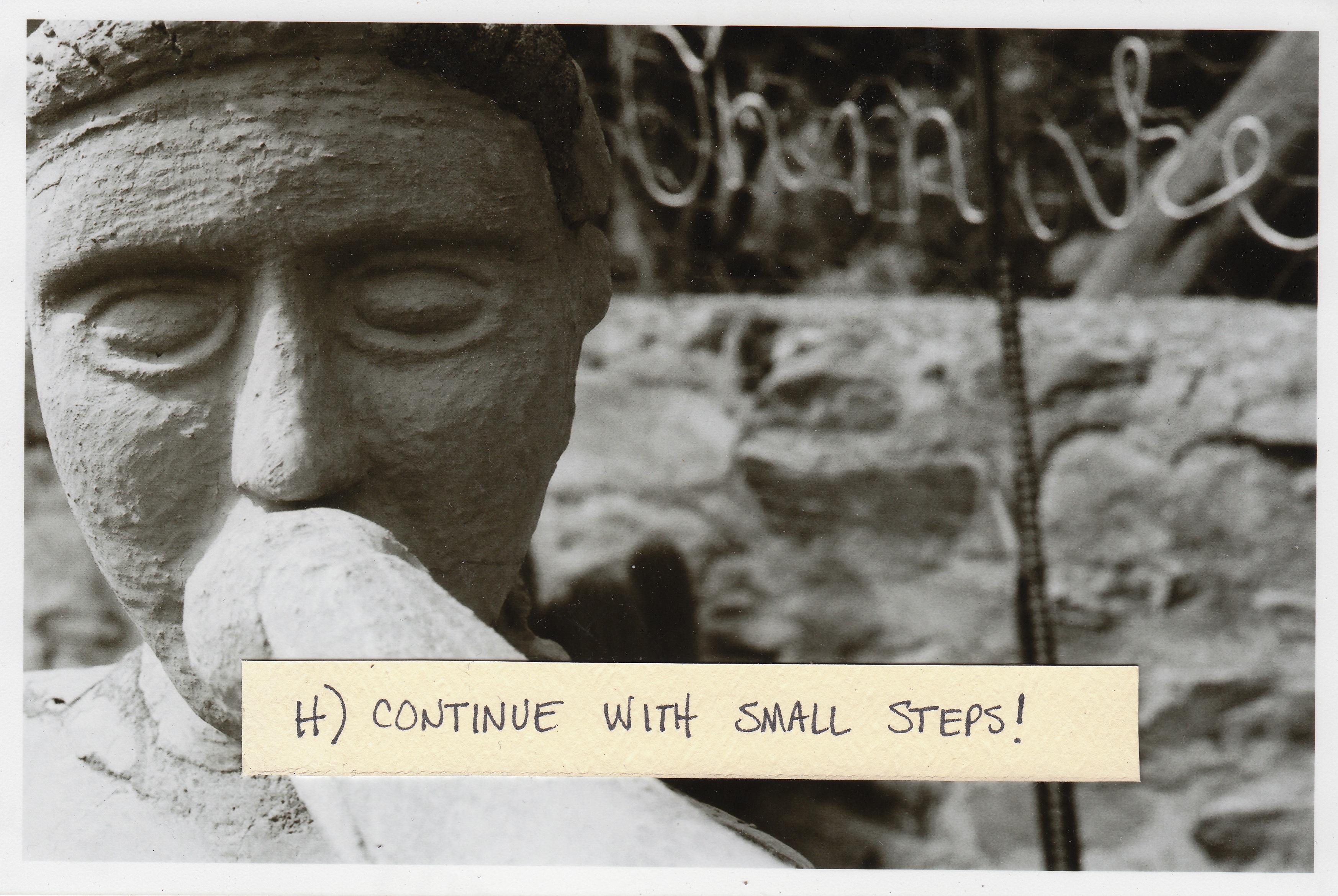
“Start the path toward the ultimate evil act with a small, insignificant first step (only 15 volts).”

It gets hotter with Condition H:

“Increase each level of aggression in gradual steps, that do not seem like noticeable differences (only 30 volts).”

This is where people really need to start reaching back for why they’re here, Condition A, Condition C, all that.

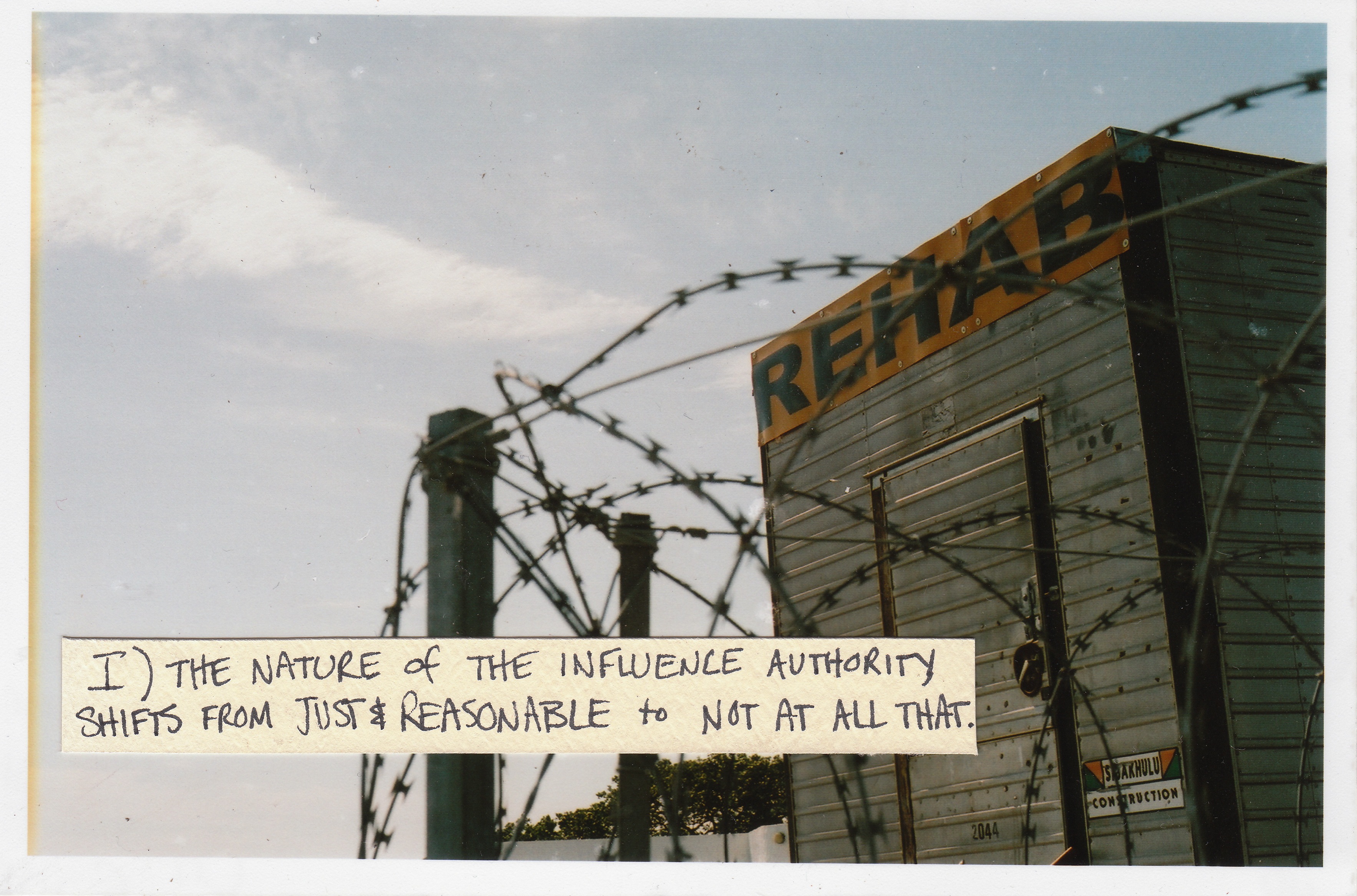
Almost there with Condition I:

“A gradual change in the nature of the Influence Authority from ‘Just’ to `Unjust,’ from reasonable and rational to unreasonable and irrational.”

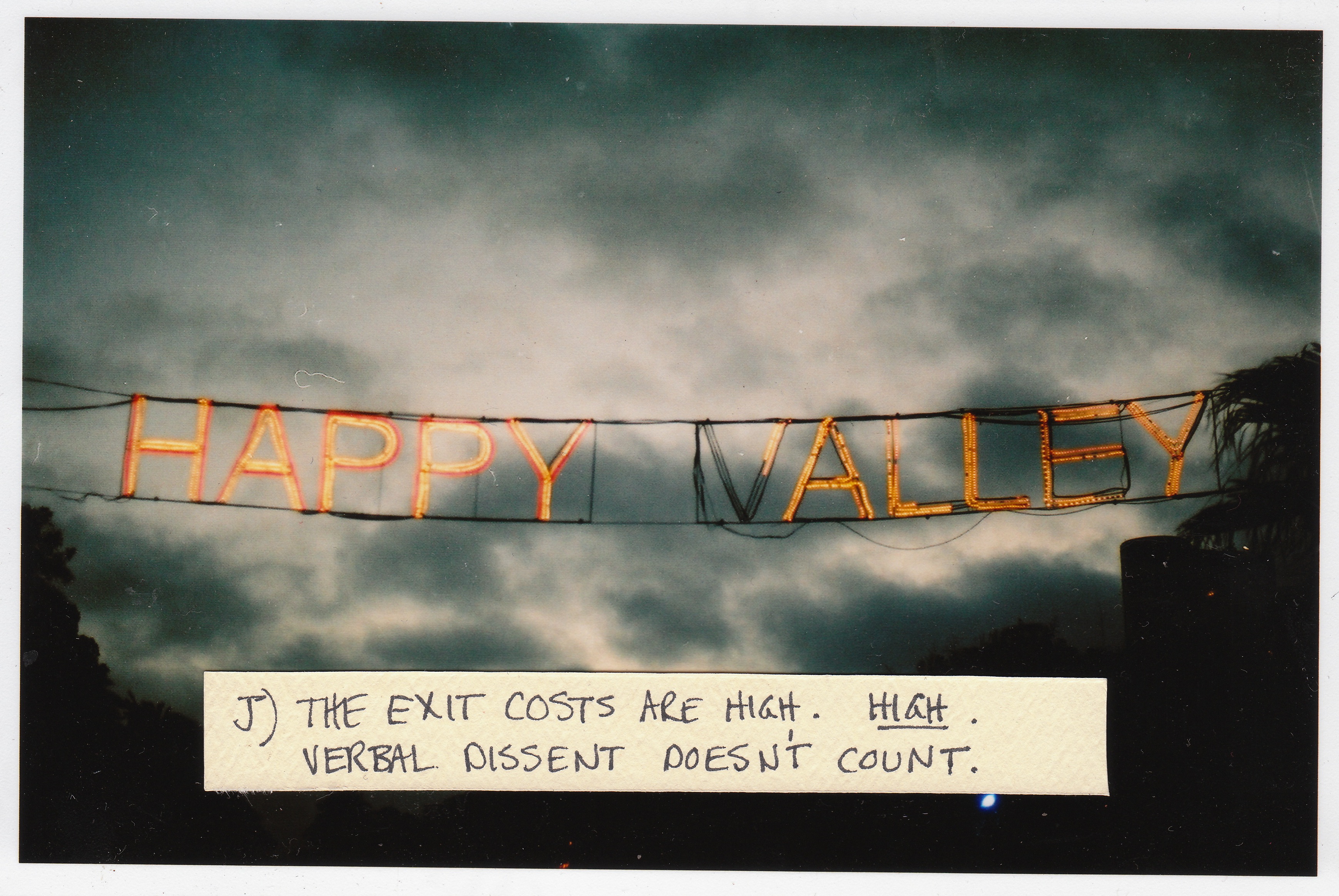
And Condition J:

“The `exit costs’ are high, and the process of exiting is made difficult by not permitting usual forms of verbal dissent to qualify as behavioral disobedience.”

This is my favorite. The one time I tried to break up with somebody he said no. I wasn’t being transformed into a perpetrator, but still, it’s good example of how this works. His response really surprised me. We stayed together for about another year until I figured out what to do.

Excerpted and adapted with liberties from Zimbardo, P.G. (2004). A Situationist Perspective on the Psychology of Evil: Understanding How Good People Are Transformed into Perpetrators. In A. G. Miller (Ed.), The Social Psychology of Good and Evil (pp21-50). New York: Guilford Press.

It didn’t make him any more dead to wait

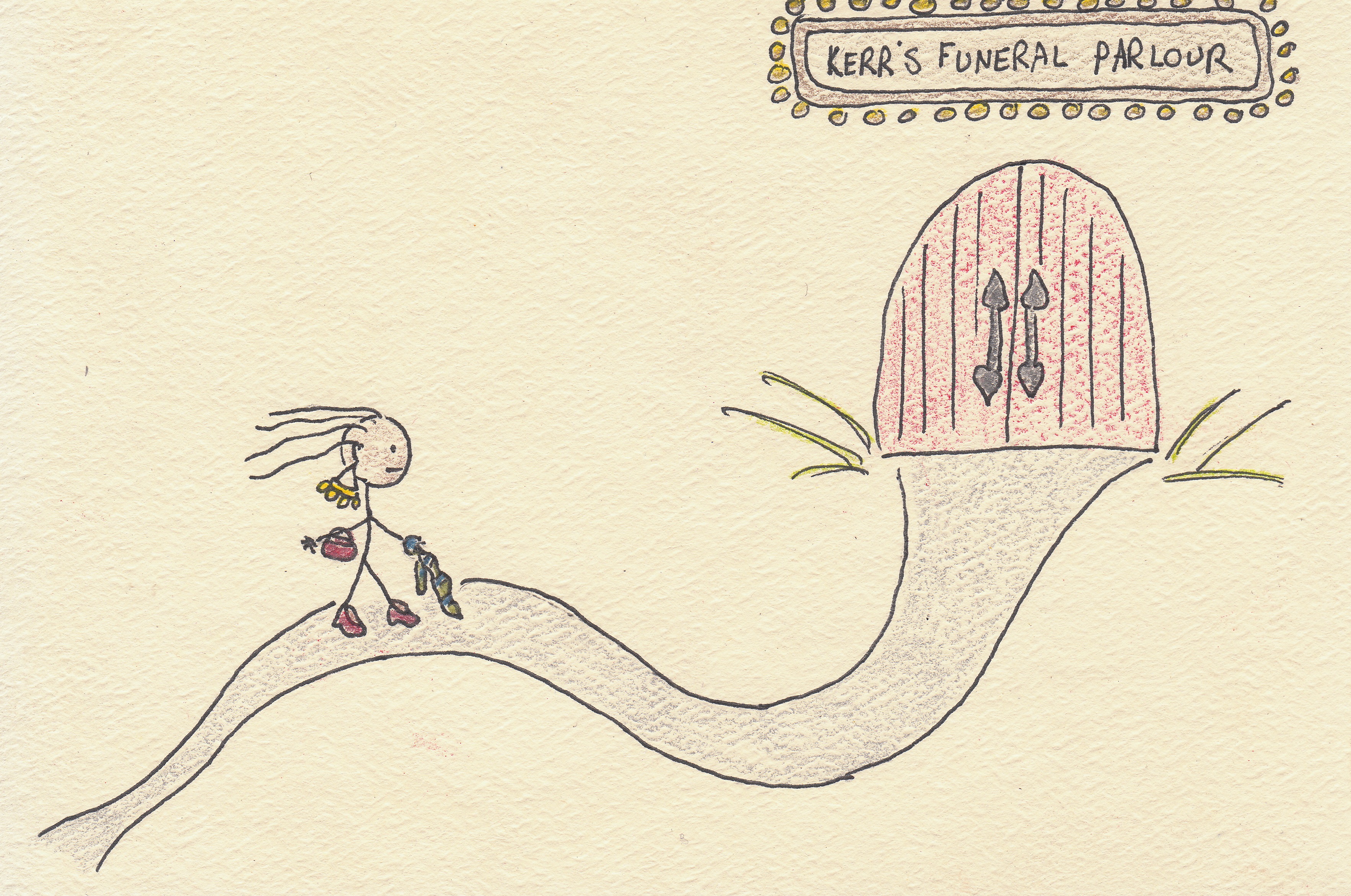
According to The Witness, Nadia Chetty had her husband cremated after he’d been dead for a year. She just couldn’t do it at first.

She paid Kerr’s in Johannesburg to keep him on ice. She visited every week and prayed that he would come back. It didn’t make him any more dead to wait, and who knows, who knows.

Initially they charged Nadia R400 per day to store her husband’s body but by the time she was ready, the account was over R130,000 and they wrote it off.

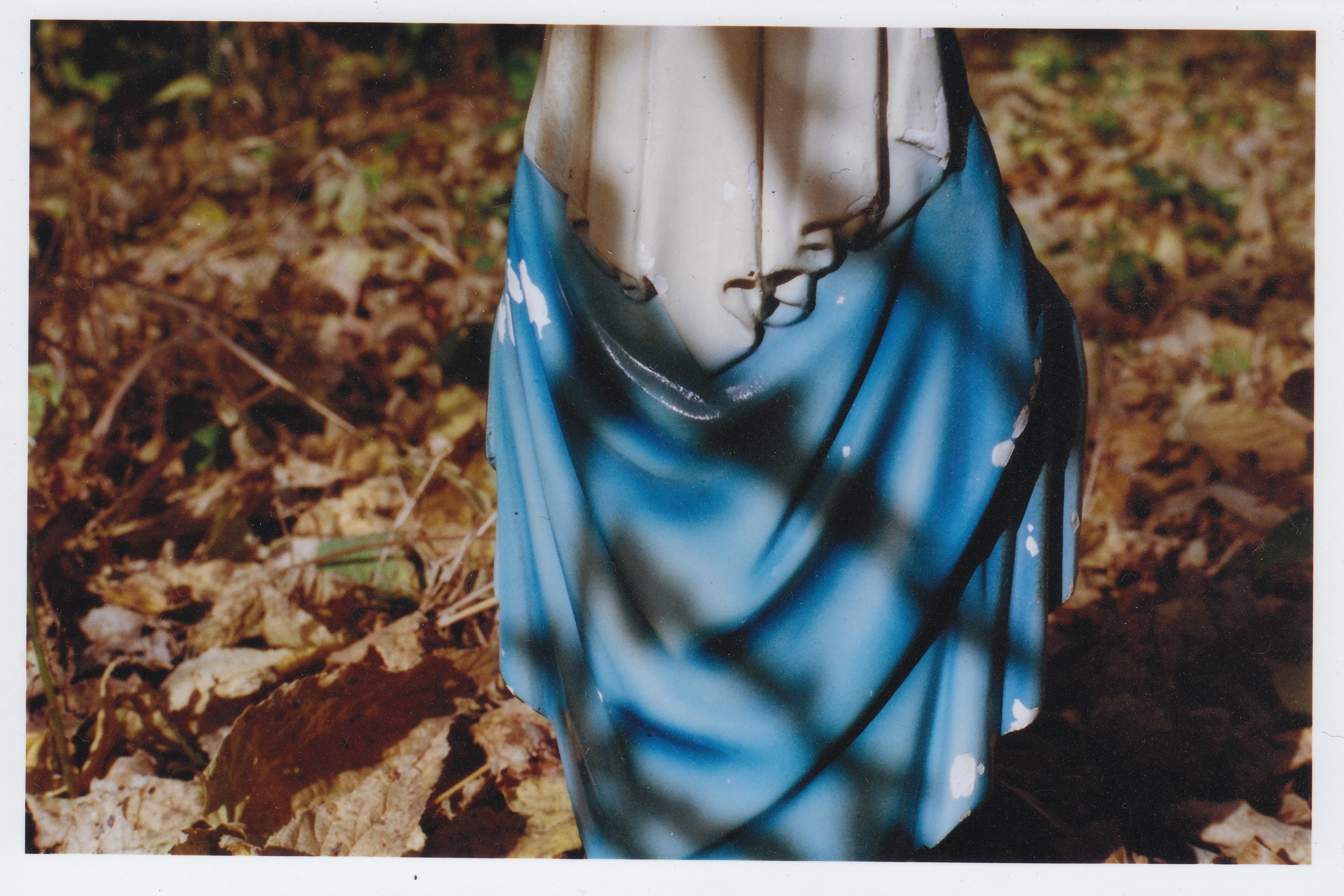
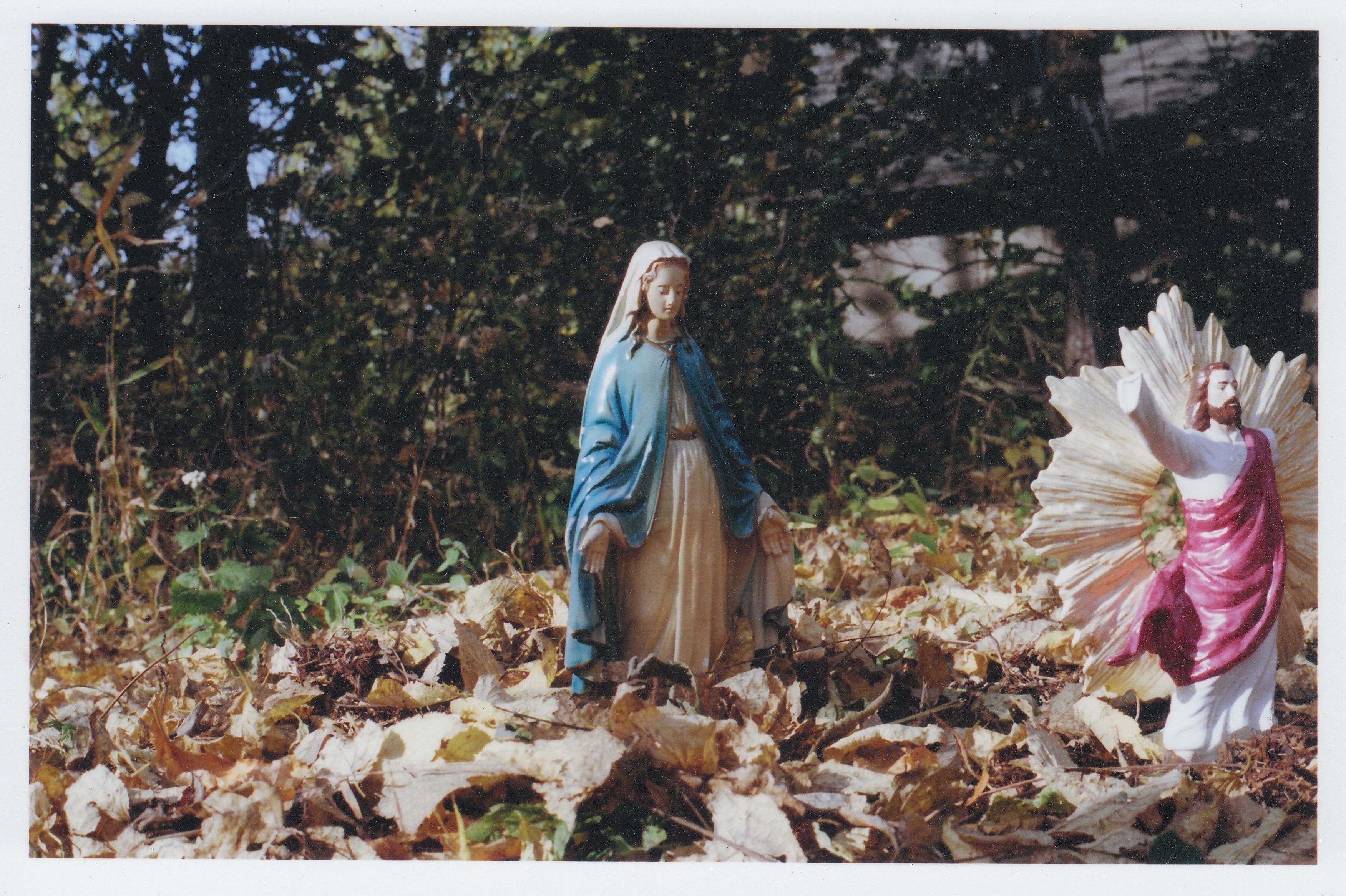
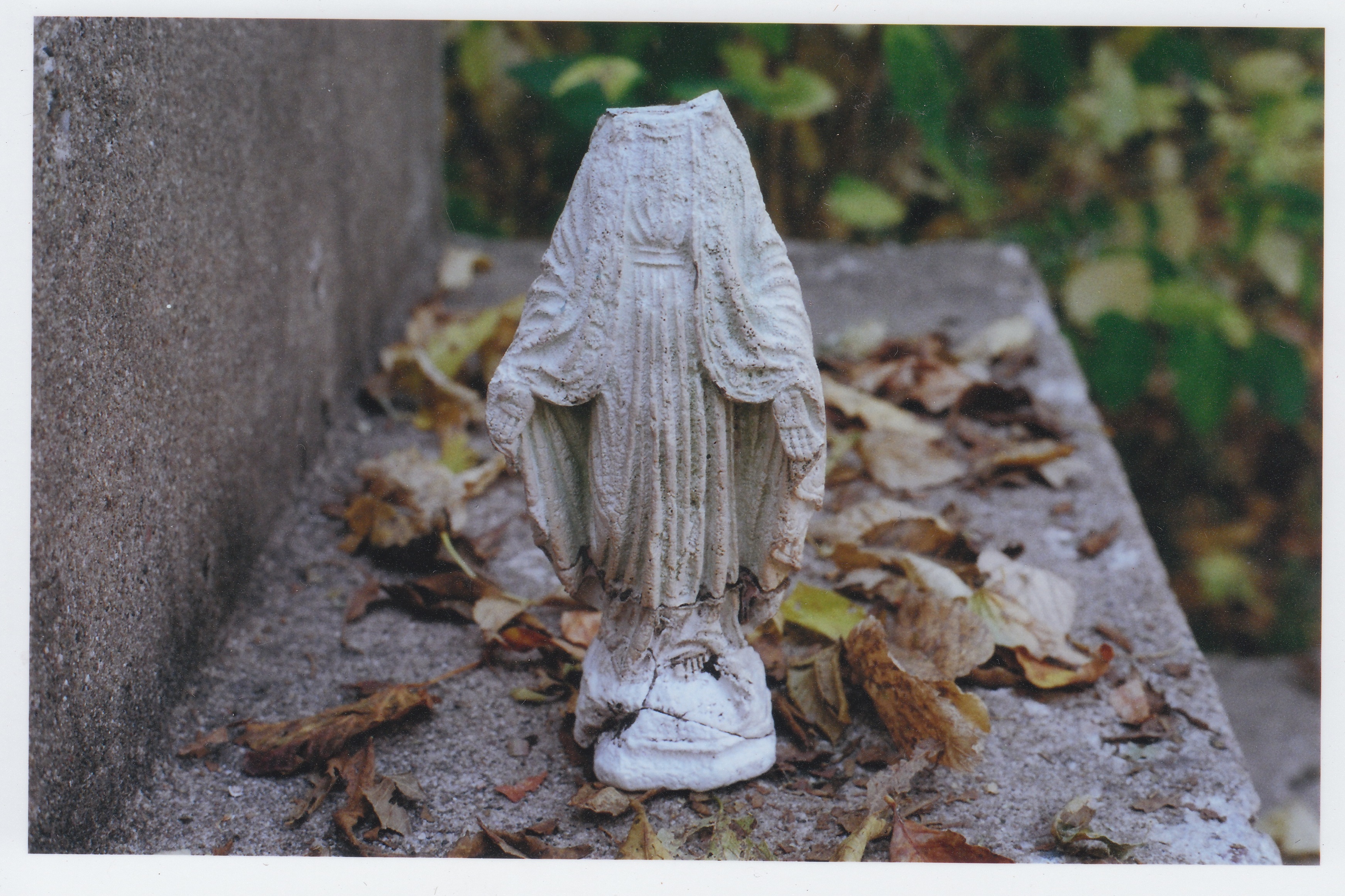
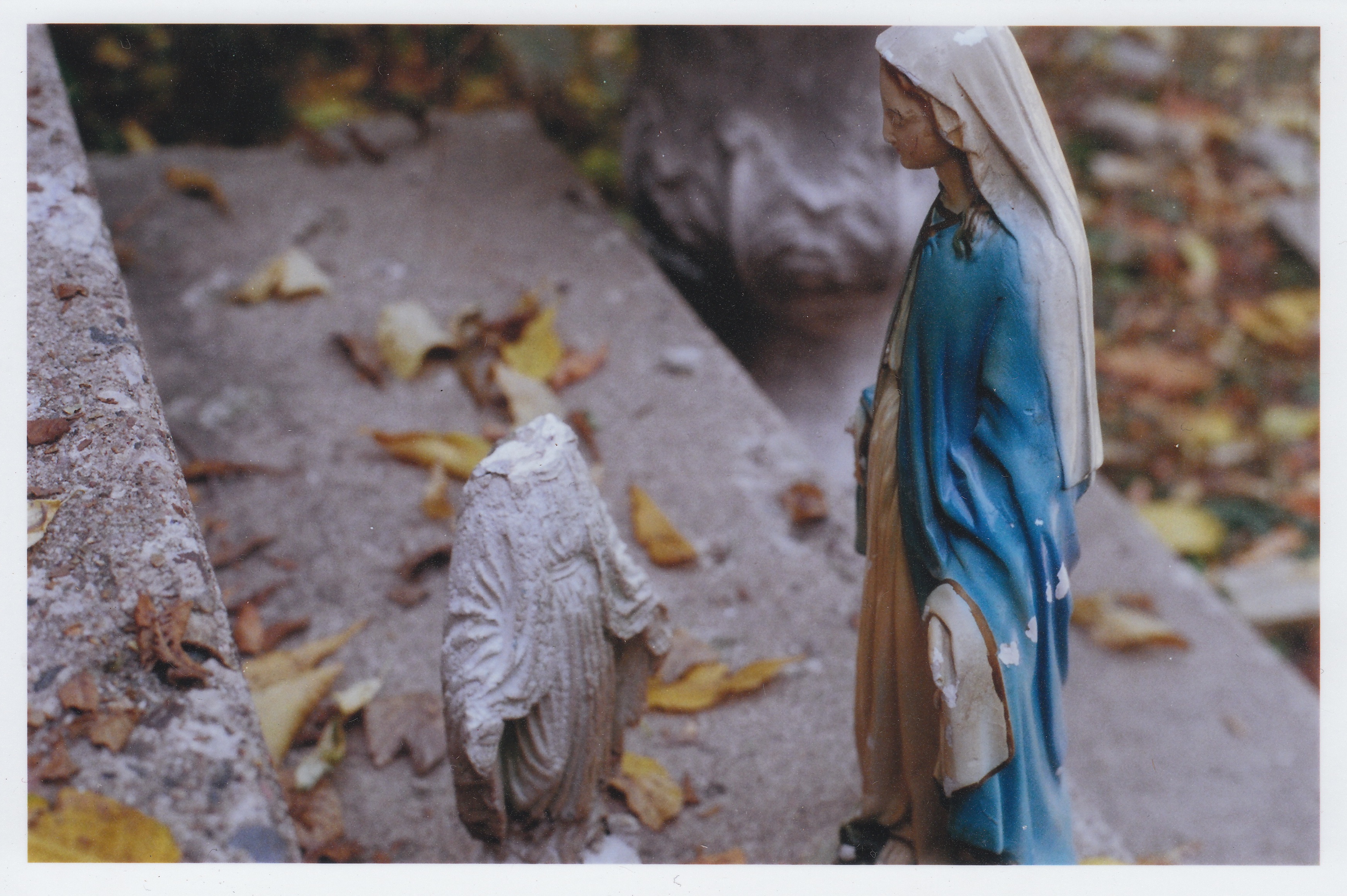
Mary is the only one who can wear that blue

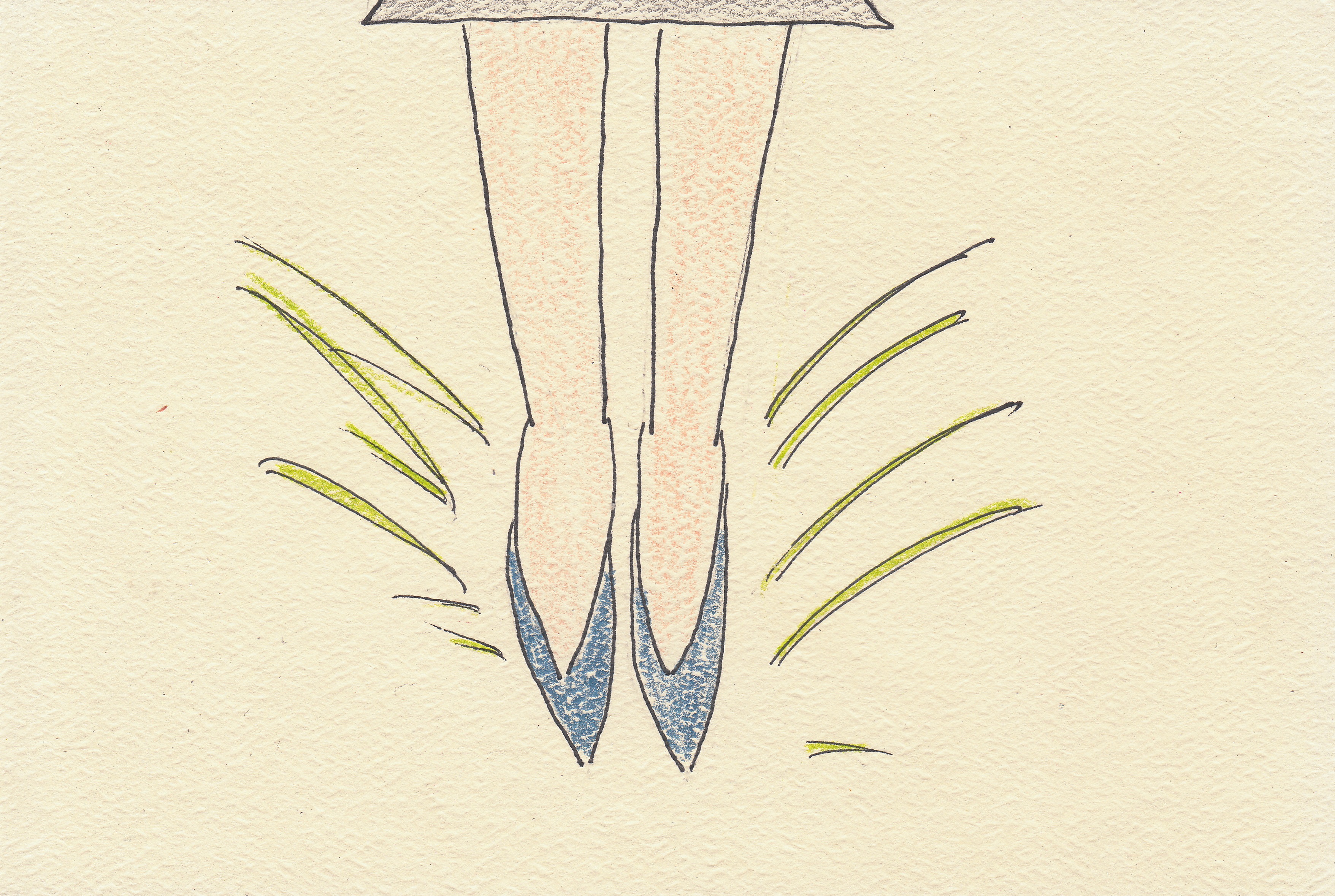
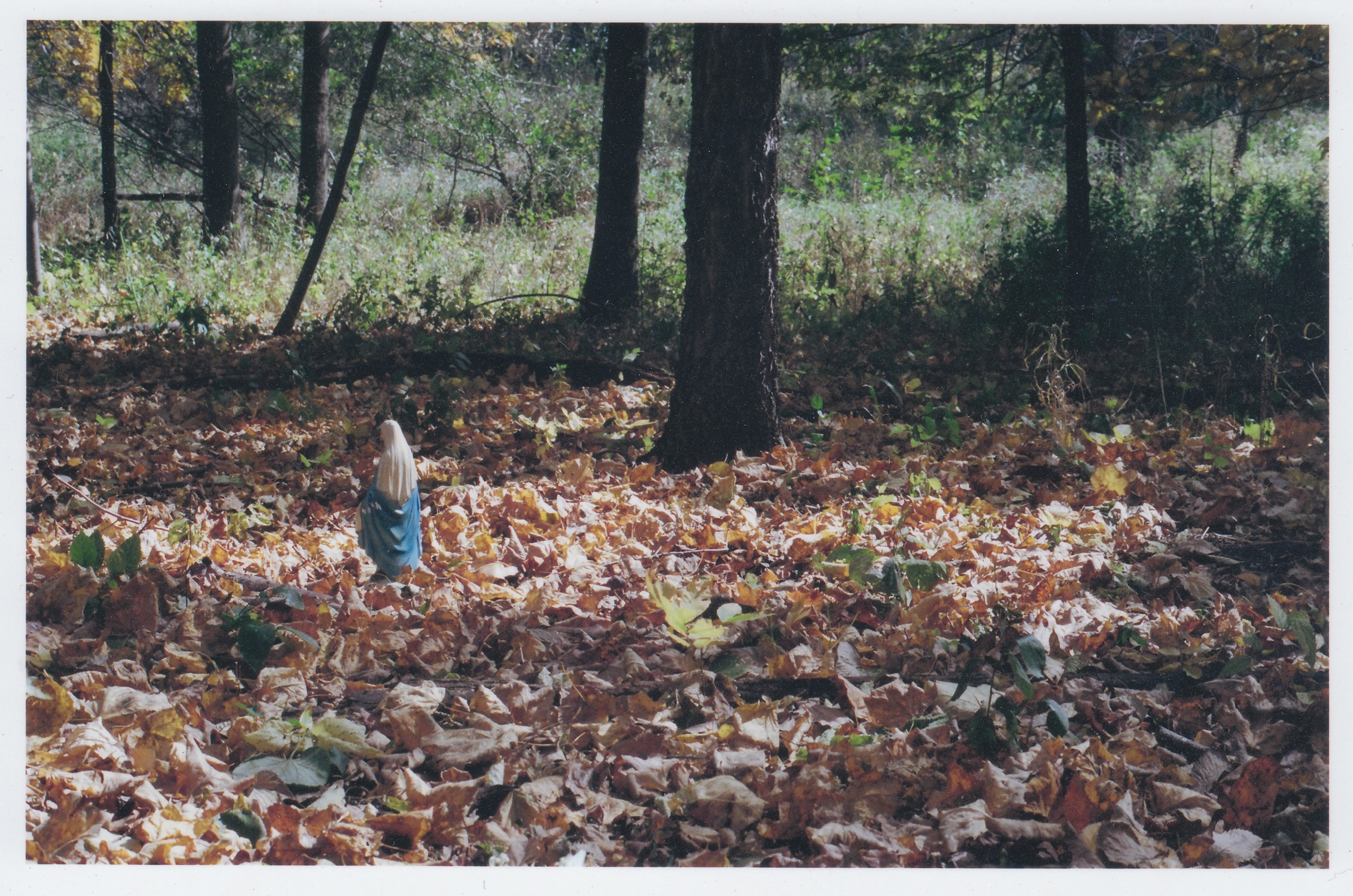
It’s not-quite aquamarine, not-quite pastel, not a jewel tone and also not an earth tone. It’s the tint of the firmament. You don’t find it very often on the racks. If you find it, it’s back on the clearance rack. It’s probably polyester. You notice it like you notice the glare off a single piece of glass on a dry brown beach.

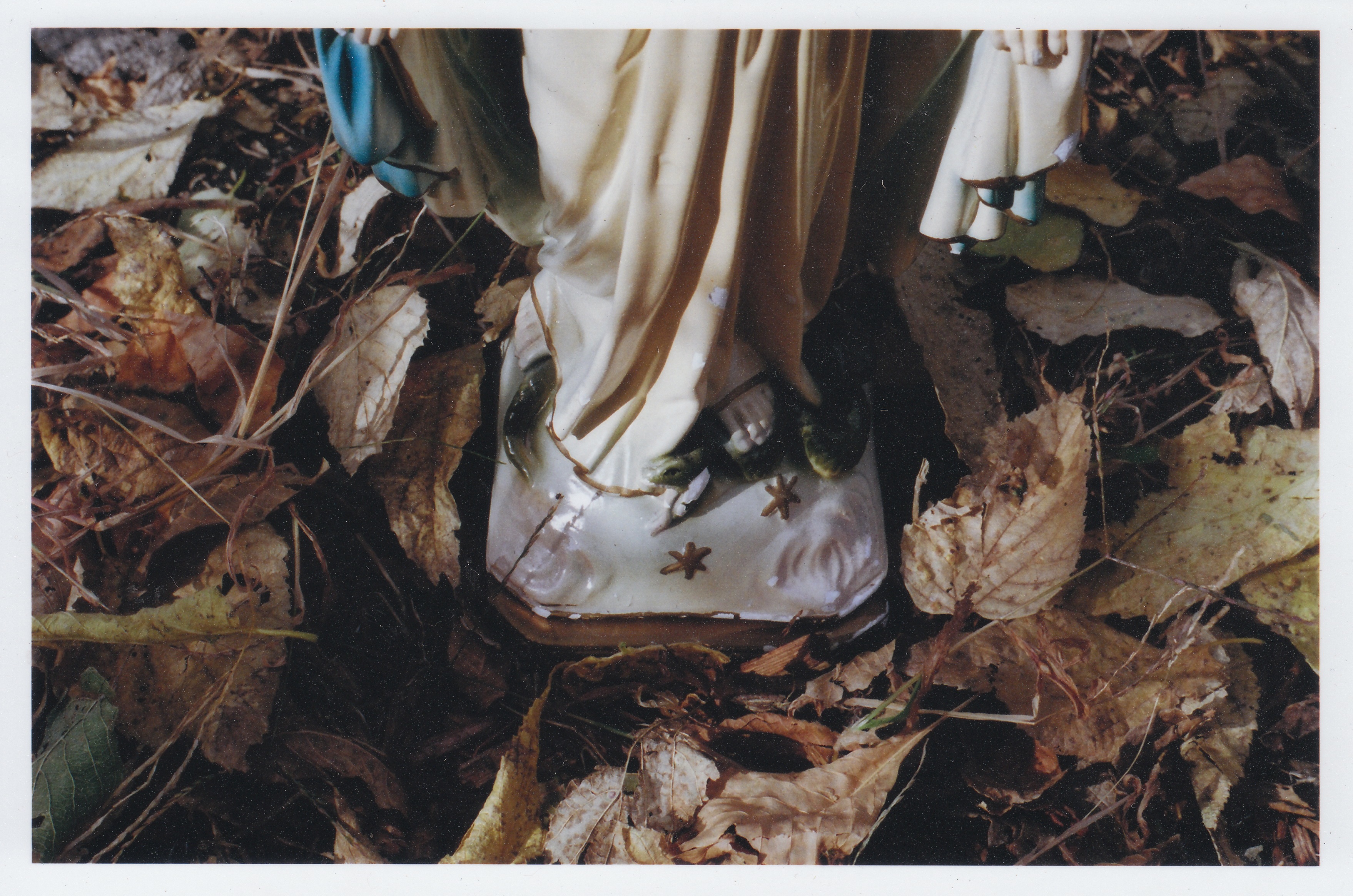
That color might look good on you but the only person who can wear it is Mary. It works on her like it could never work for you, even if you had the same good skin and the same downcast eyes. That blue she wears, it makes her particular forehead glow. It makes her peachier than peach and smoother than smooth. It makes all the colors around her – the brown of the snake, the gold of her sandals, the pale dead body of her son – anything at all next to that blue, it works. Next to that blue, she can mix metals. She can accessorize with whatever she wants. That blue makes the Virgin Mary ready for anything.

My friend Roxanne is always looking for the perfect denim skirt. I understand what she means about it, because in any season, a denim skirt says you’re ready for cocktails — or loading the dishwasher. You’re ready to go for a walk — or make decisions. You’re flexible, but you have standards and this is what you’re wearing. It’s a worthy quest.

I believe Roxanne is in love with her son, who is living at home while he gets an associate’s degree but anybody can tell he’s going to move on after that. Anybody can see that while her son still has the blonde hair Roxanne gave him at birth, his jaw is square and that has nothing to do with her. Anybody can tell that the day her son leaves, it’s going to kill Roxanne.

I understand Roxanne because my son’s shoulders have recently become broader and sharper than I expected. He sleeps so late now on weekends. He has to lie diagonal on his bed. It would be ridiculous to pull him onto my lap when he wakes up, but I would. If it were necessary, I would. His eyes are so green and his jokes are so very much like mine. I have no idea what to wear on the day he walks away.

Mary’s forehead is smoother than smooth. Her eyelids are so sure, carved so low and rounded across her face. In some statues Mary’s skin and the fabric and the body of her dead boy are cast in blended marble, so everything is white like bone but you would swear you see the blue. The tint of the firmament.

You can try to dress that way. You can go into your son’s room on a Saturday and drag him into your lap, blankets and everything. You can carve your eyelids into waves that say, it’s ok, it’s ok, no matter what happens, I’ve got all this for you and my lap is wide. You can hold your hand with the palm facing out, just like that, as graceful as the last light touch on something dead and almost gone, a plume, a wail.

Go ahead and shop for it. Seek it where Roxanne finds her perfect denim skirt. Go where the racks hold oceans and oceans of silky things in almost-aquamarine, the tint of the firmament. That color. Her color. Bring it home it and bunch it in your lap, pray over it, shove a bloom of fabric up next to where the spear went in. Stuff and pray and pose all you want. Mary is Mary. That color is her color. Everybody knows you can never wear that blue.